

Cruelty-Free Blog
All About the Cruelty-Free World: recommendations, articles, and news.
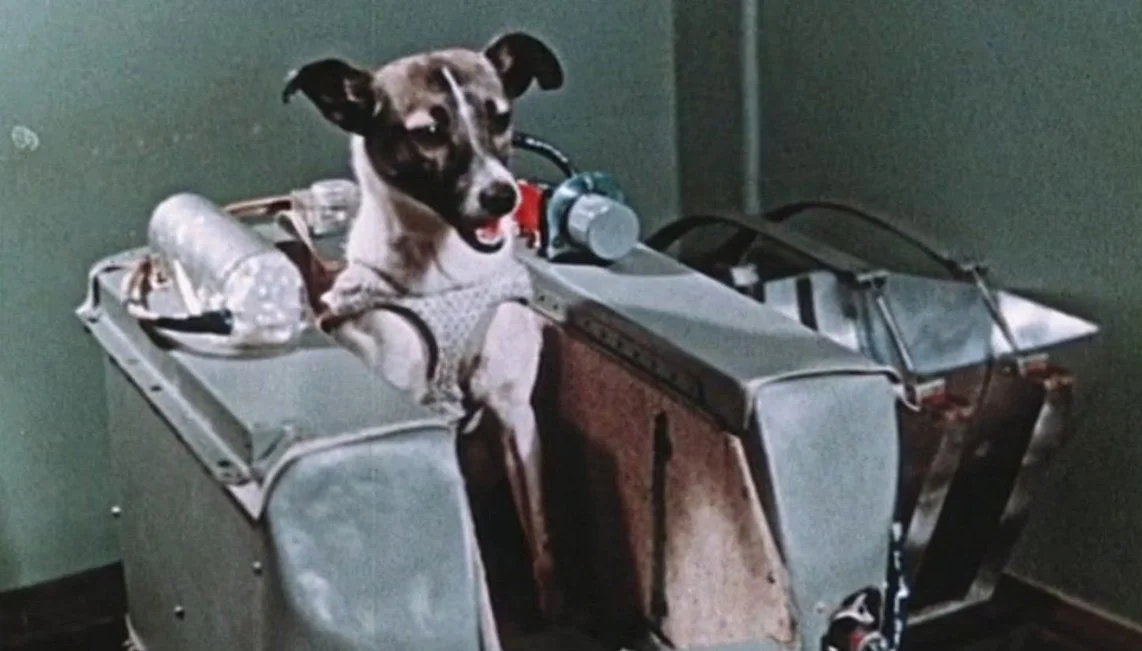
68 Years After Laika's Journey
Laika's story often conjures up an innocent, childlike image of dogs dressed as astronauts.
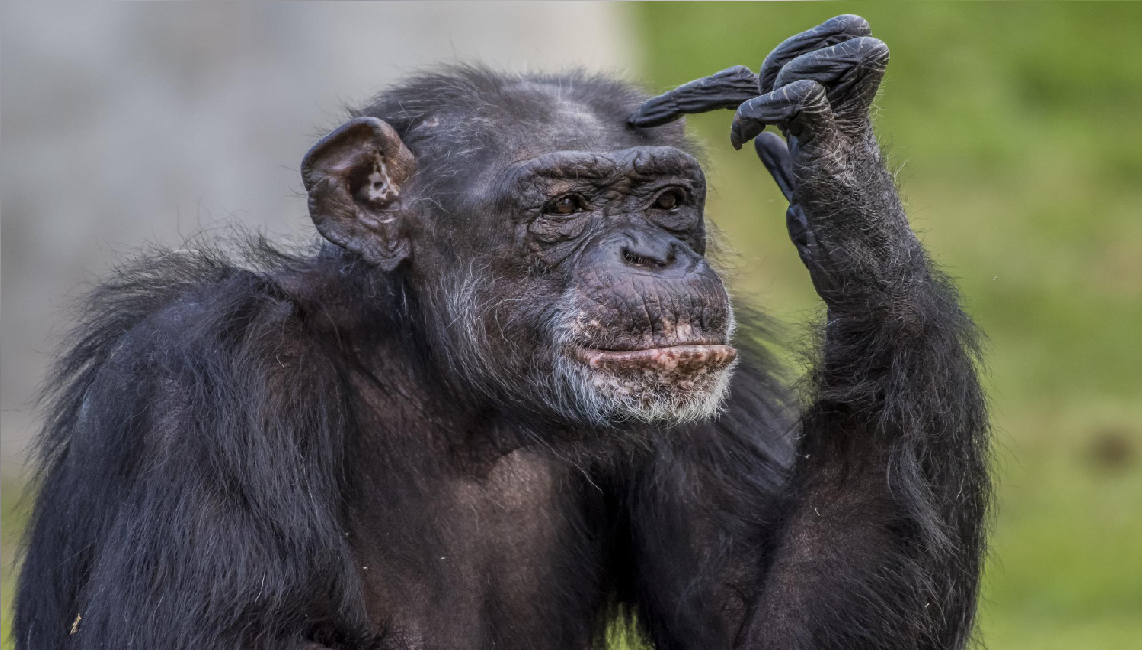
Do animals have consciousness?
The question of whether nonhuman species are capable of feeling and thinking has evolved significantly.
Conscious Consumption: The Driving Force Behind Change in the Cosmetics Industry
The cosmetics industry is changing. In our latest report, we explore how the cruelty-free trend is redefining the cosmetics industry and what impact it is having on the Chilean market.
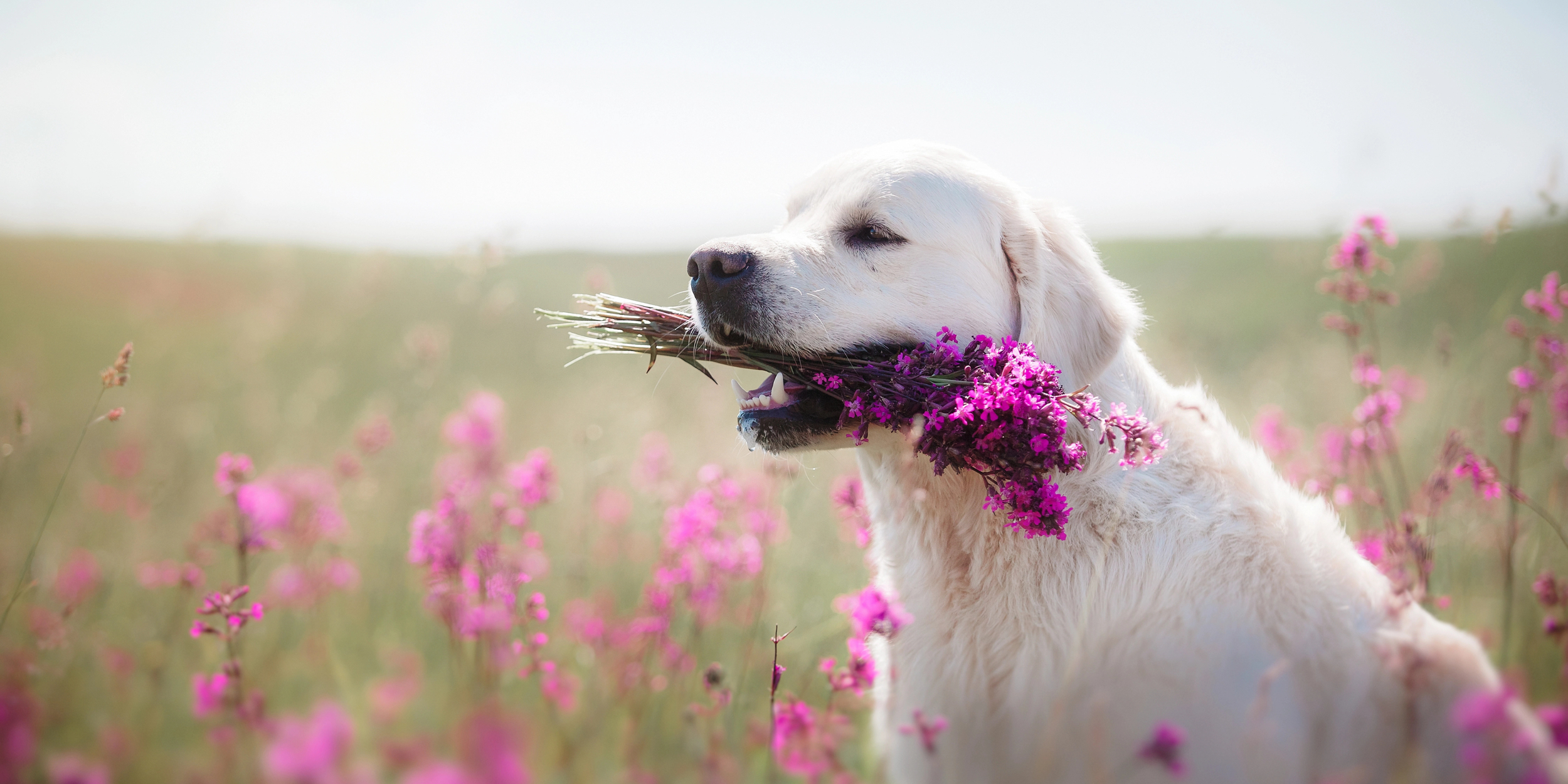
What to do when someone loses their companion animal
Losing a pet is a real loss. Here, we'll tell you how to support someone during this time and how to turn that love into help for other animals.
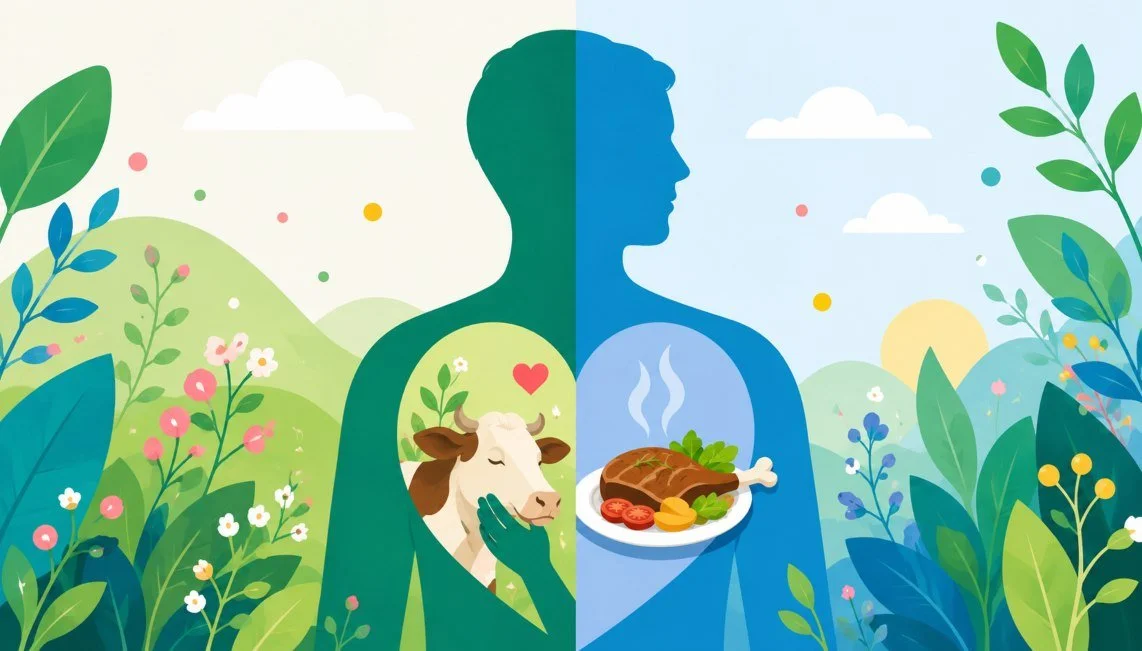
When Our Actions Don't Match Our Beliefs: Let's Talk About Cognitive Dissonance
We say we love animals, yet at the same time we are part of a system that exploits them.

Mexico Consolidates Its Leadership in the Latin American Cosmetics Industry
The cosmetics industry in Mexico continues to establish itself as a key player on the international stage.
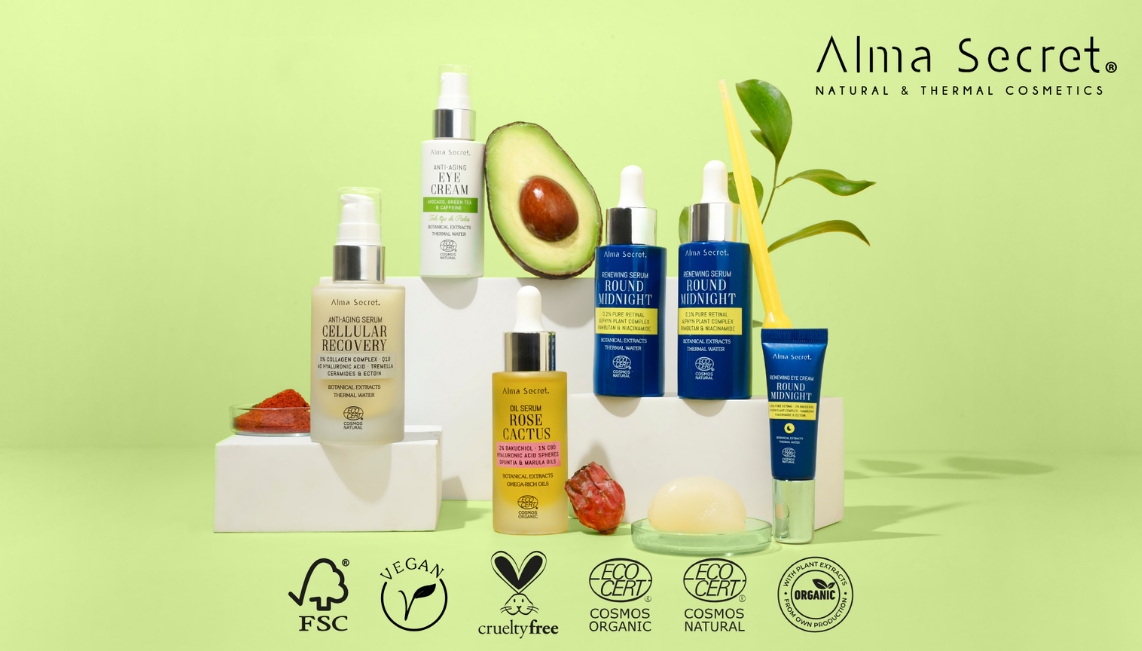
The new generation of natural dermocosmetics that combines science and ethics arrives in Chile
Alma Secret arrives in Chile with a concept that redefines natural cosmetics, combining pharmaceutical science, botanical ingredients, and genuine certifications.
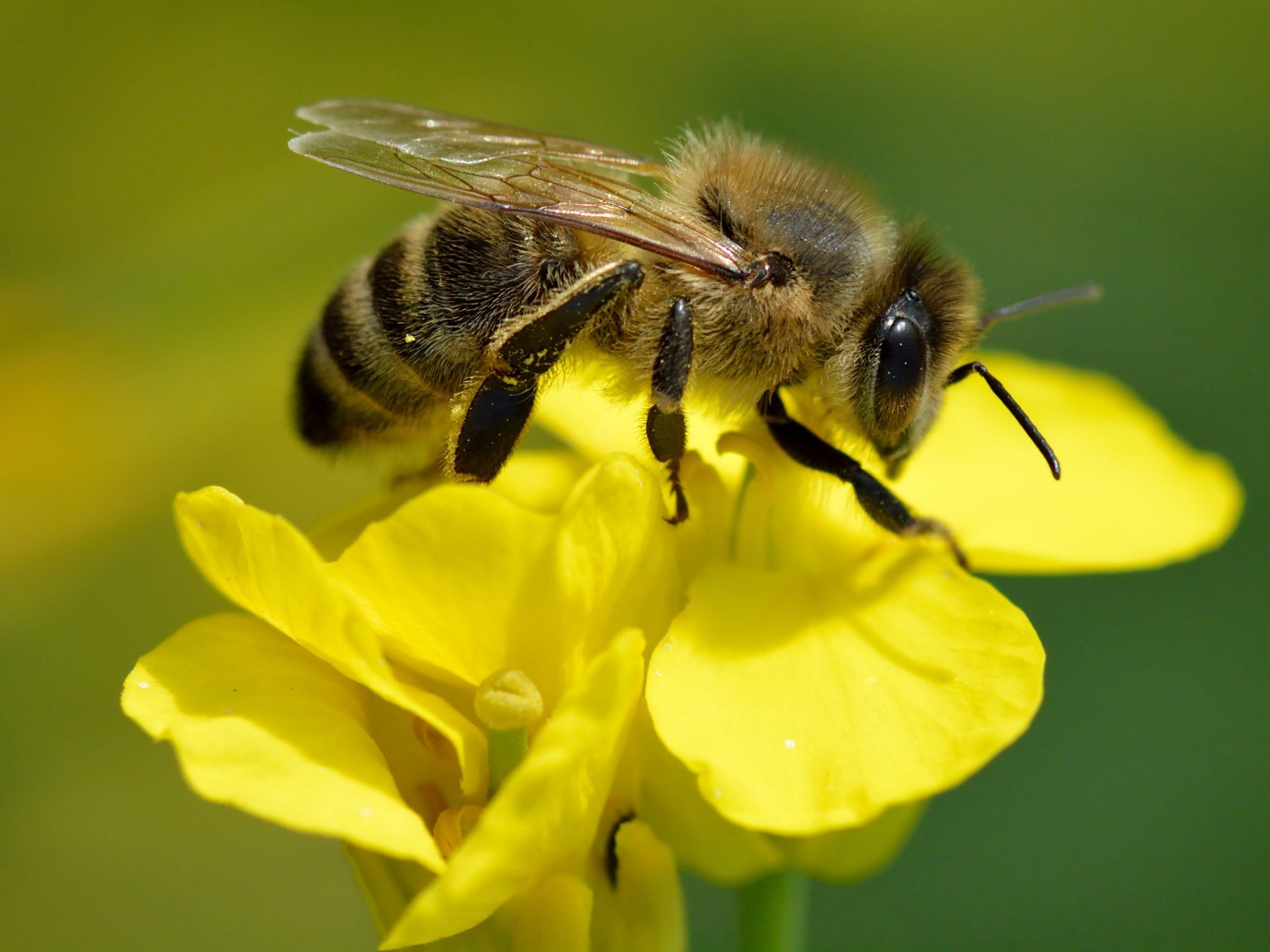
Nociception and the Science of Pain in Insects
Insects have historically been excluded from the debate on animal welfare because their physiology differs from that of vertebrates, and also because of their abundance in nature.
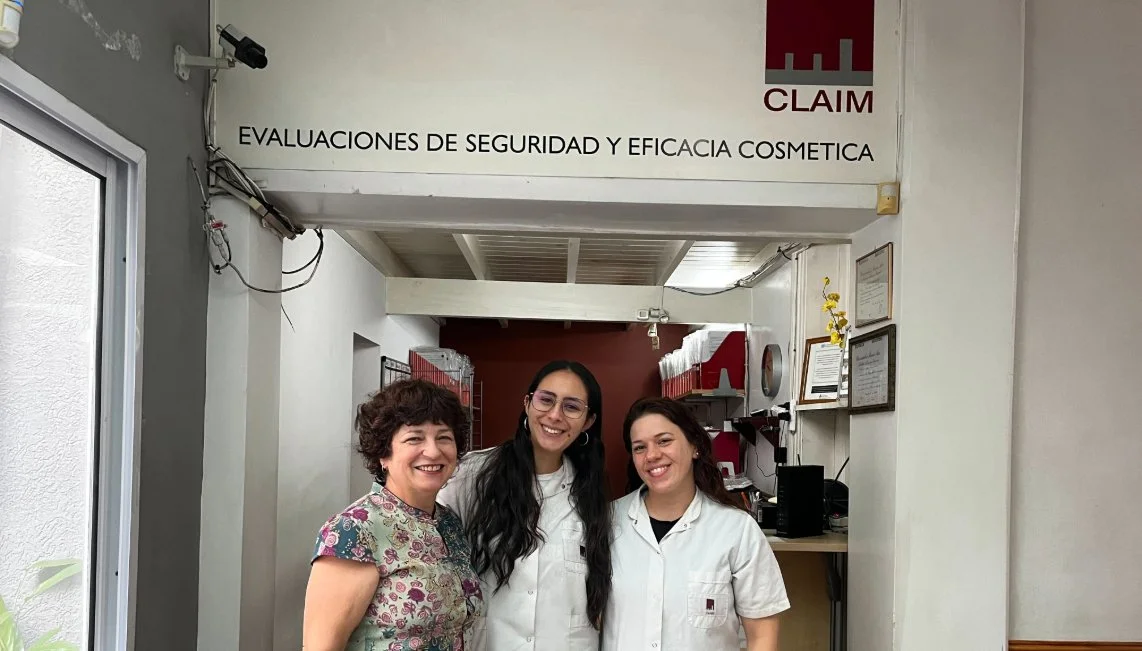
Visit to CLAIM Argentina
Te Protejo 's executive team traveled to Argentina to attend the AVA Summit 2026 and had the opportunity to visit a laboratory that is a true leader in Latin America when it comes to animal-free clinical testing.
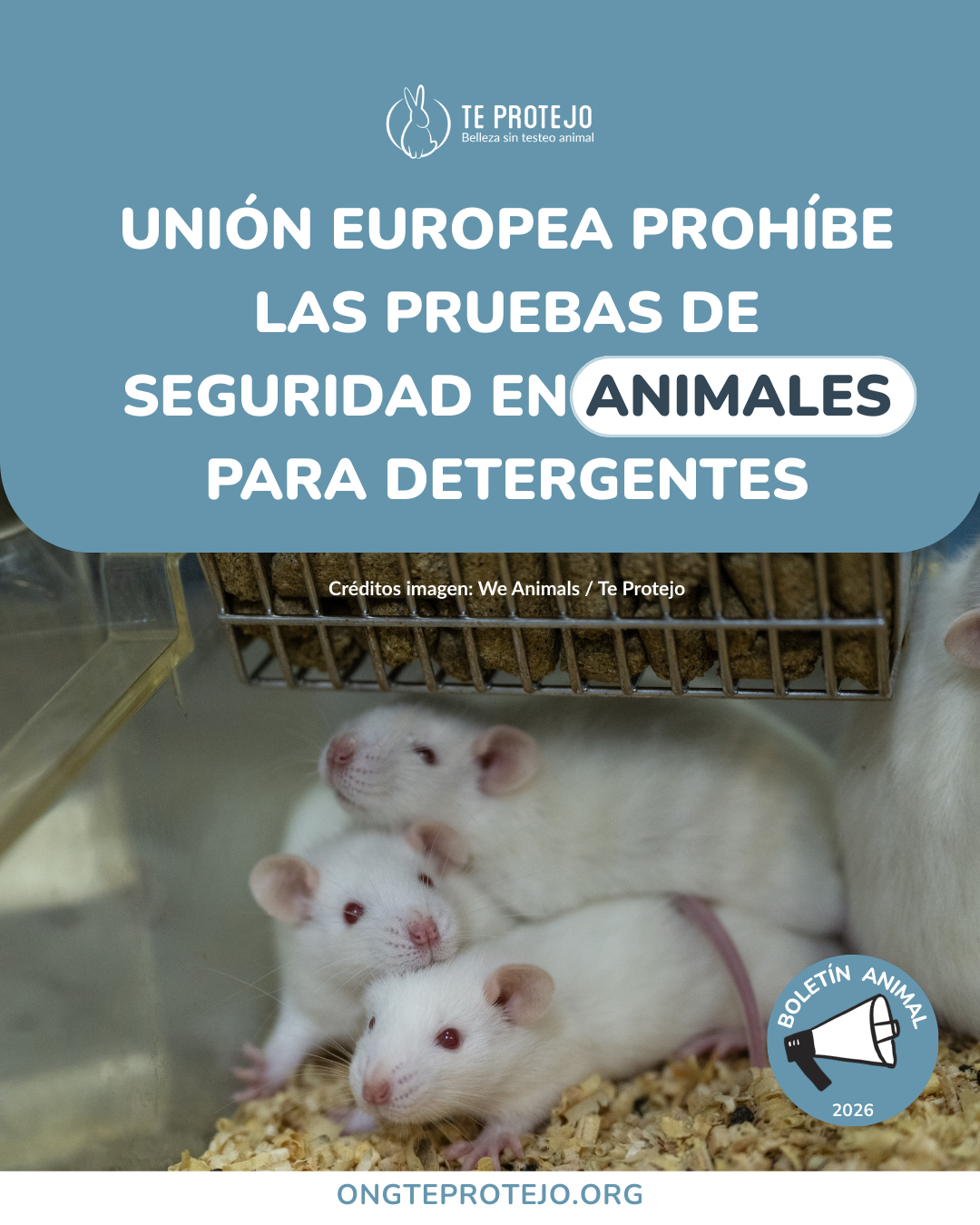
The European Union Bans Animal Testing of Detergents: Here Are All the Details
In January 2026, the European Parliament approved the proposal for a Regulation of the European Parliament and of the Council on detergents and surfactants, which updates the regulations by banning safety testing of these products on animals.

Preunic: Mindful Beauty for Everyday Life in Chile
Preunic presents a beauty and personal care concept based on responsible curation, a diverse range of options, and a commitment to conscious beauty.
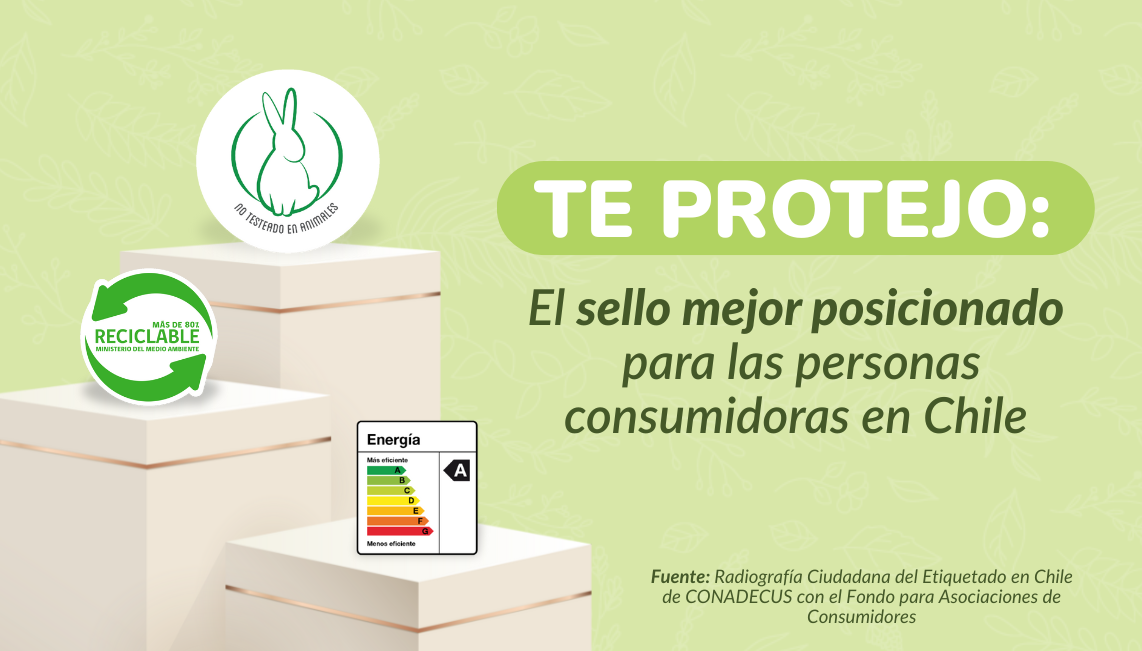
Te Protejo: the brand best positioned for consumers in Chile
A recent public survey reveals how consumers in Chile stay informed, what barriers they face, and why trust seals remain key to making better decisions.
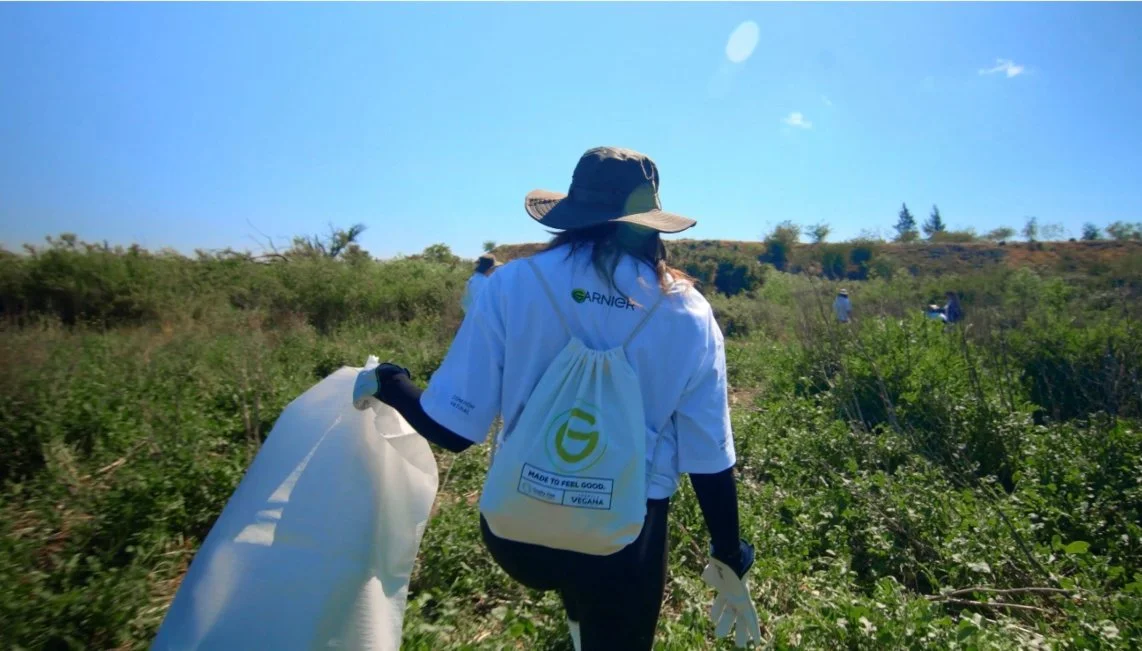
Urban Wetlands and Collective Action: Garnier Organizes a Cleanup Event in Maipú, Chile
For the fifth consecutive year, Garnier organized an environmental cleanup event, this time at an urban wetland in Maipú, highlighting the importance of protecting ecosystems that are key to environmental balance.

The NIH will prioritize human-based research technologies
The NIH marks a turning point in biomedical science by prioritizing human models over the use of animals in research.
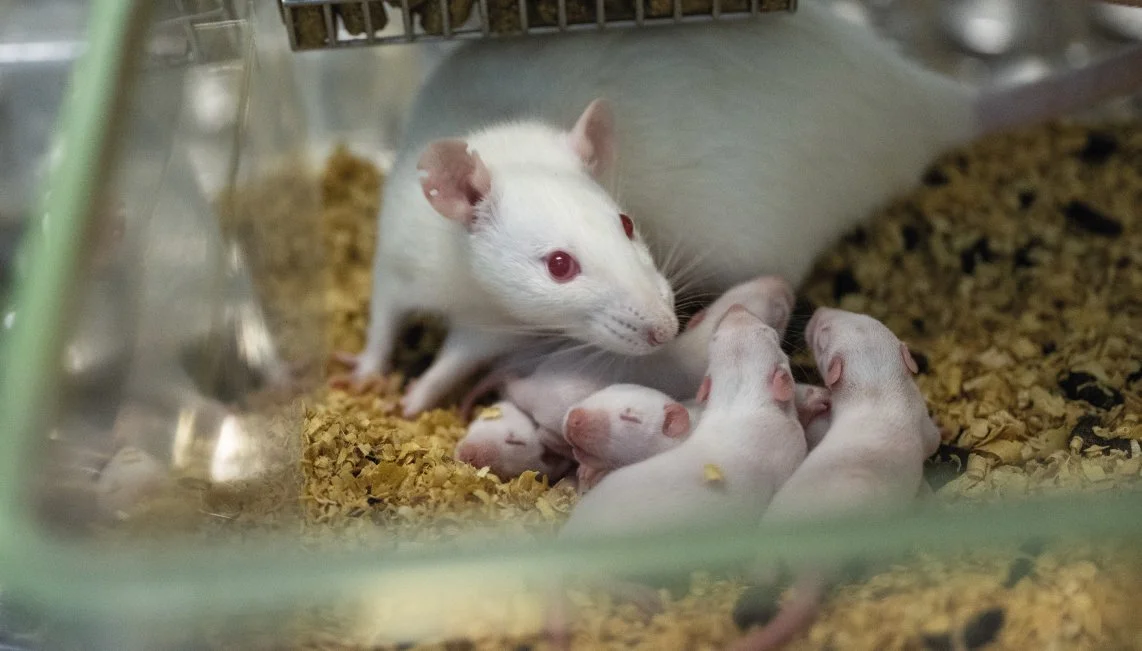
Motherhood in Ratas: What Is It Really Like?
Motherhood across different species allows us to observe caregiving and protective behaviors that play a key role in the survival of offspring.
Rats and Mice: More Than Just a Number
Every April, two important events are commemorated: Rat Day and World Laboratory Animal Day.
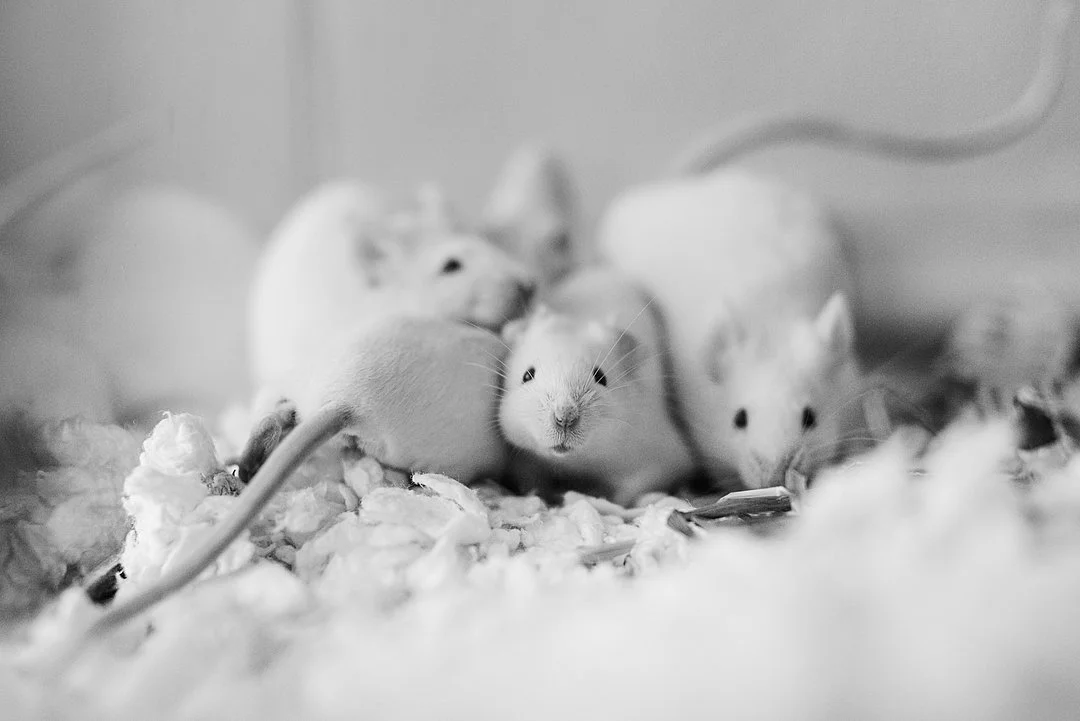
Te Protejo She has been elected to serve on the Animal Bioethics Committee in Chile
Our organization was elected to represent animal protection organizations on Chile's Animal Bioethics Committee (CBA).
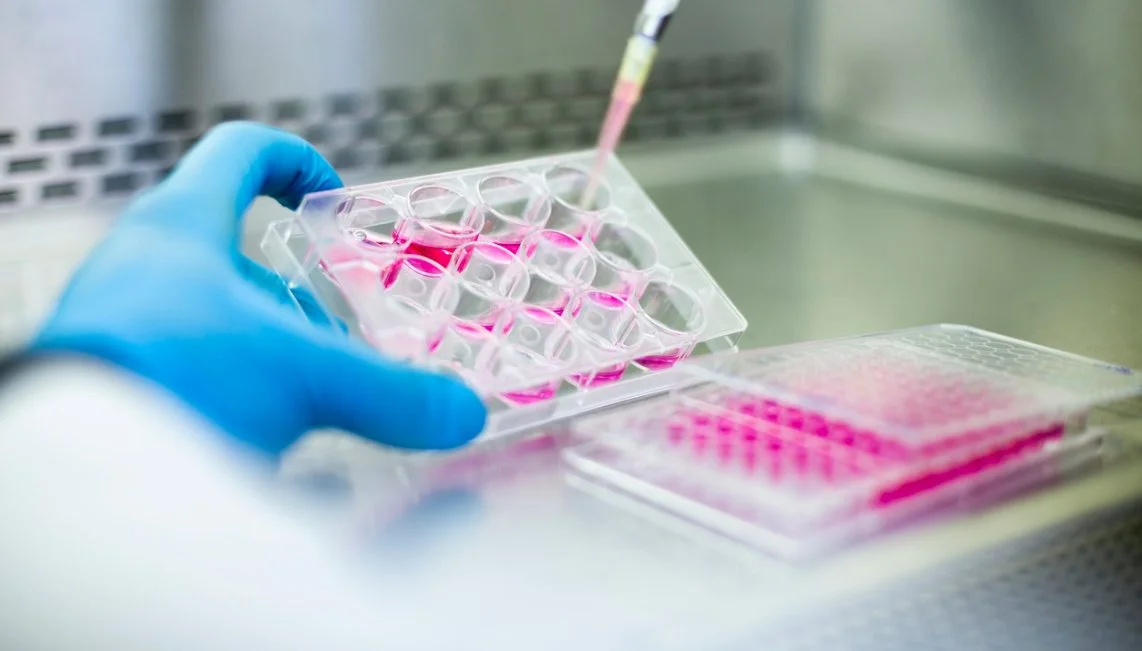
Map of Alternative Laboratories in Latin America
Scientific and technological innovation has driven the development of alternative methods to animal testing in sectors such as cosmetics and biomedicine.
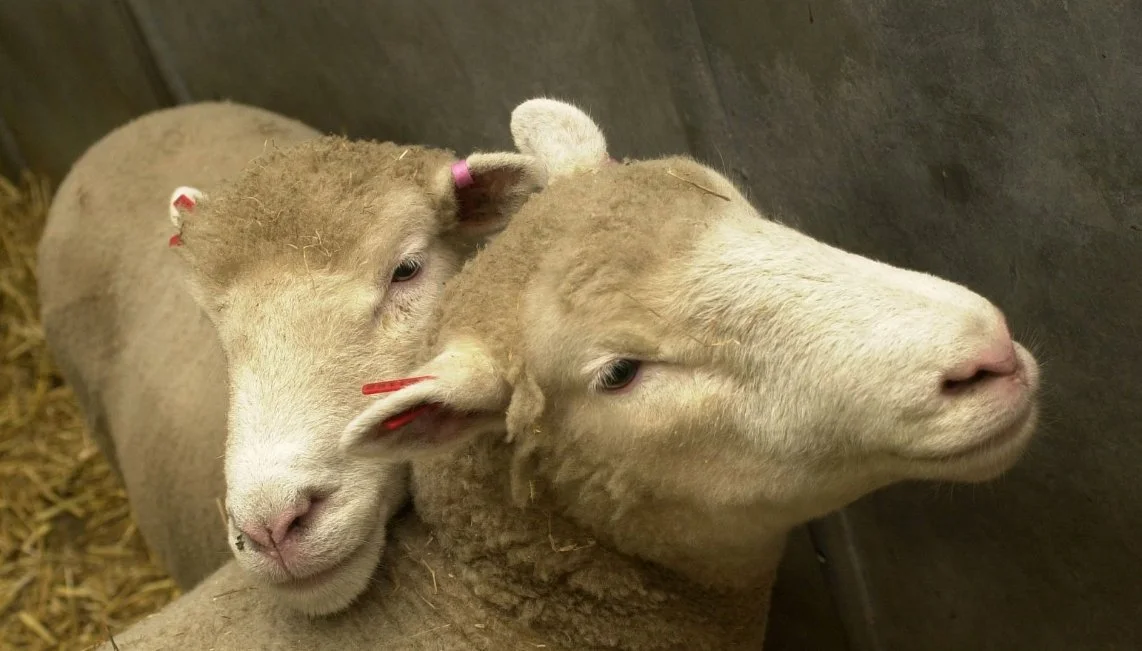
Which animals are most commonly used in research?
Scientific research has historically relied on the use of animals on the premise that they can serve as models for human biological processes.
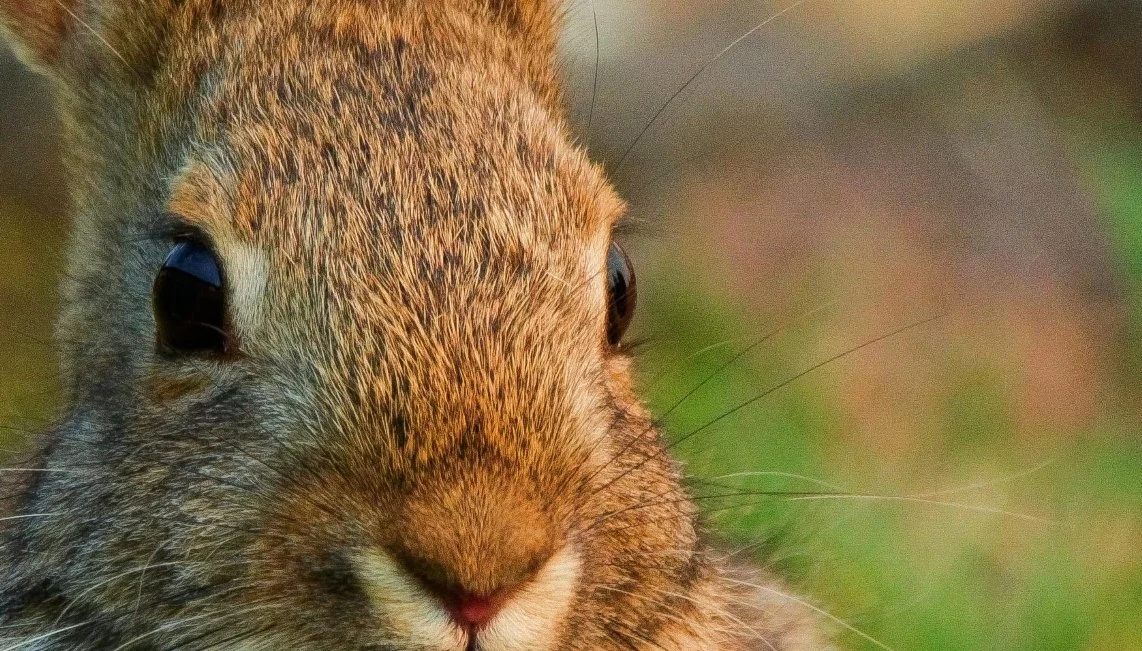
Challenging the Bias Toward the Animal Model
Despite the development of innovative scientific methods that do not use animals, there is still a preference for traditional models in research.