

Pruebas de cosméticos y productos de higiene en animales
Los cosméticos y productos de higiene requieren evaluaciones de seguridad antes de llegar al mercado, ya que sus ingredientes y formulaciones pueden generar efectos en la salud. Durante décadas, estas pruebas se han realizado utilizando animales como modelo experimental. Sin embargo, hoy surge una pregunta clave sobre la vigencia de este enfoque y su real capacidad para ofrecer resultados confiables.
¿Qué son las pruebas en animales para cosméticos?
A pesar de los avances en métodos alternativos y de las crecientes preocupaciones éticas, millones de animales continúan siendo utilizados en pruebas para productos de belleza y cuidado personal. Estos ensayos implican someter a animales a distintos procedimientos para evaluar la seguridad de productos o ingredientes destinados al uso humano, como la aplicación de sustancias en la piel o los ojos, la ingestión forzada de compuestos químicos o la exposición a aerosoles. Entre las especies más utilizadas se encuentran conejos, ratones, ratas y cobayas.
Históricamente, los ensayos in vivo han sido utilizados como una forma de anticipar posibles efectos adversos en humanos. No obstante, las diferencias fisiológicas entre especies ponen en duda la validez de estos resultados. A esto se suma que ciertas exigencias regulatorias en algunos mercados han prolongado el uso de estas prácticas, aunque también existe un número creciente de empresas que optan por no participar en estos modelos y avanzar hacia alternativas libres de crueldad.
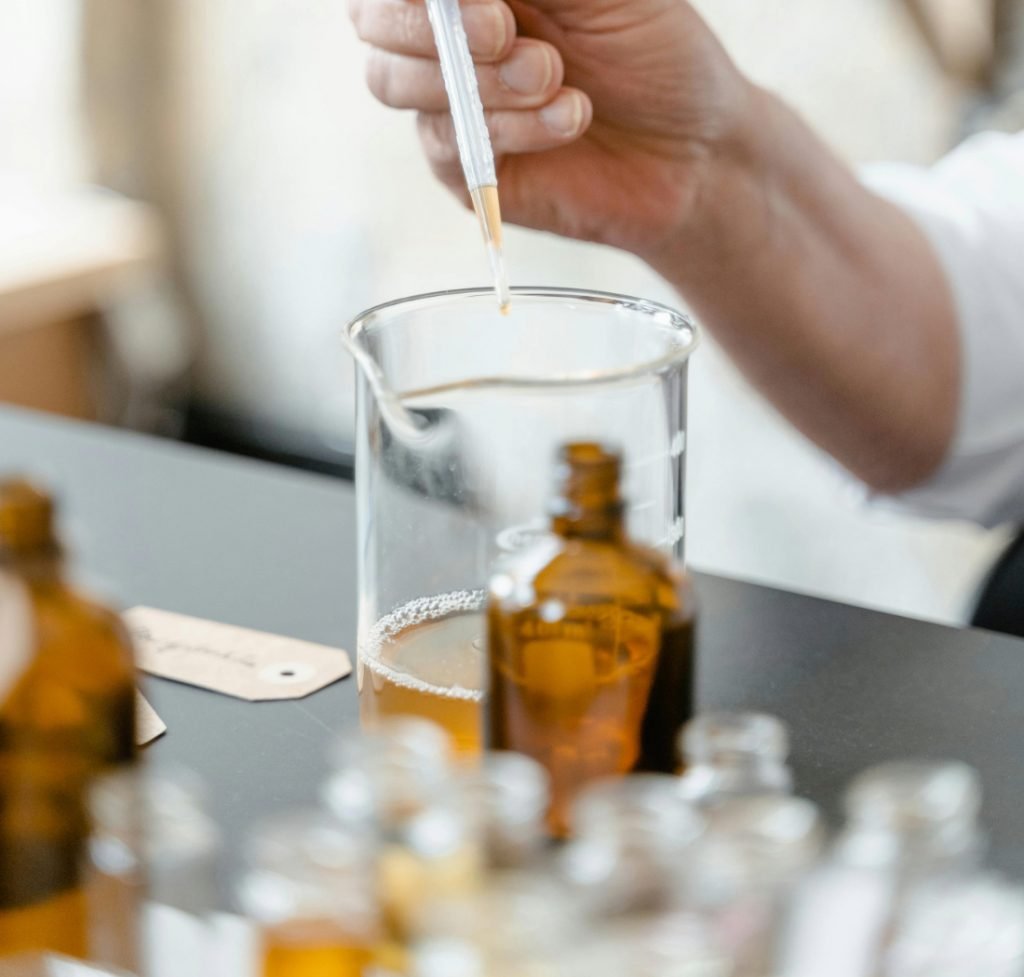
Imagen por Depositphotos
Métodos comunes de experimentación
Uno de los métodos más conocidos es el test de Draize, desarrollado en la década de 1940 para evaluar irritación ocular y dérmica mediante la aplicación directa de sustancias en los ojos o la piel de conejos. Este procedimiento puede provocar enrojecimiento, úlceras e incluso pérdida de la visión, y ha sido ampliamente cuestionado tanto por su impacto en los animales como por su limitada relevancia para la fisiología humana.
Otro enfoque utilizado corresponde a las pruebas de toxicidad aguda, que buscan determinar la dosis letal de una sustancia a través de su administración forzada en animales. Durante estos ensayos se observan los efectos hasta la muerte de una parte significativa del grupo, lo que, además de generar un alto nivel de sufrimiento, presenta variaciones importantes entre especies, reduciendo su aplicabilidad en humanos.
También se han utilizado pruebas de corrosión e irritación cutánea, en las que se aplican sustancias sobre la piel rasurada de animales para observar reacciones como enrojecimiento, inflamación o necrosis. Con el tiempo, muchos de estos ensayos han sido reemplazados por modelos de piel humana reconstituida, que ofrecen resultados más pertinentes.
Otro tipo de evaluación corresponde a la sensibilidad cutánea, que busca identificar si una sustancia puede provocar reacciones alérgicas mediante aplicaciones repetidas. No obstante, estos resultados pueden ser subjetivos y no siempre reflejan con precisión las respuestas en humanos.
Por su parte, los estudios de toxicocinética analizan cómo una sustancia es absorbida, distribuida, metabolizada y eliminada por el organismo. Aun así, las diferencias biológicas entre especies pueden generar interpretaciones poco representativas.
Los estudios de toxicidad reproductiva y del desarrollo evalúan los efectos de distintas sustancias en la fertilidad y el desarrollo fetal. En estos ensayos, las hembras gestantes son expuestas a compuestos y posteriormente se analizan los efectos en los fetos. Sin embargo, las diferencias en los ciclos reproductivos y procesos biológicos entre especies vuelven a poner en duda la validez de estos resultados para humanos.
Finalmente, los ensayos de carcinogenicidad implican la exposición prolongada a sustancias para observar la formación de tumores. Se trata de estudios extensos y costosos, cuya aplicabilidad en humanos ha sido cuestionada debido a las diferencias fisiológicas entre especies.
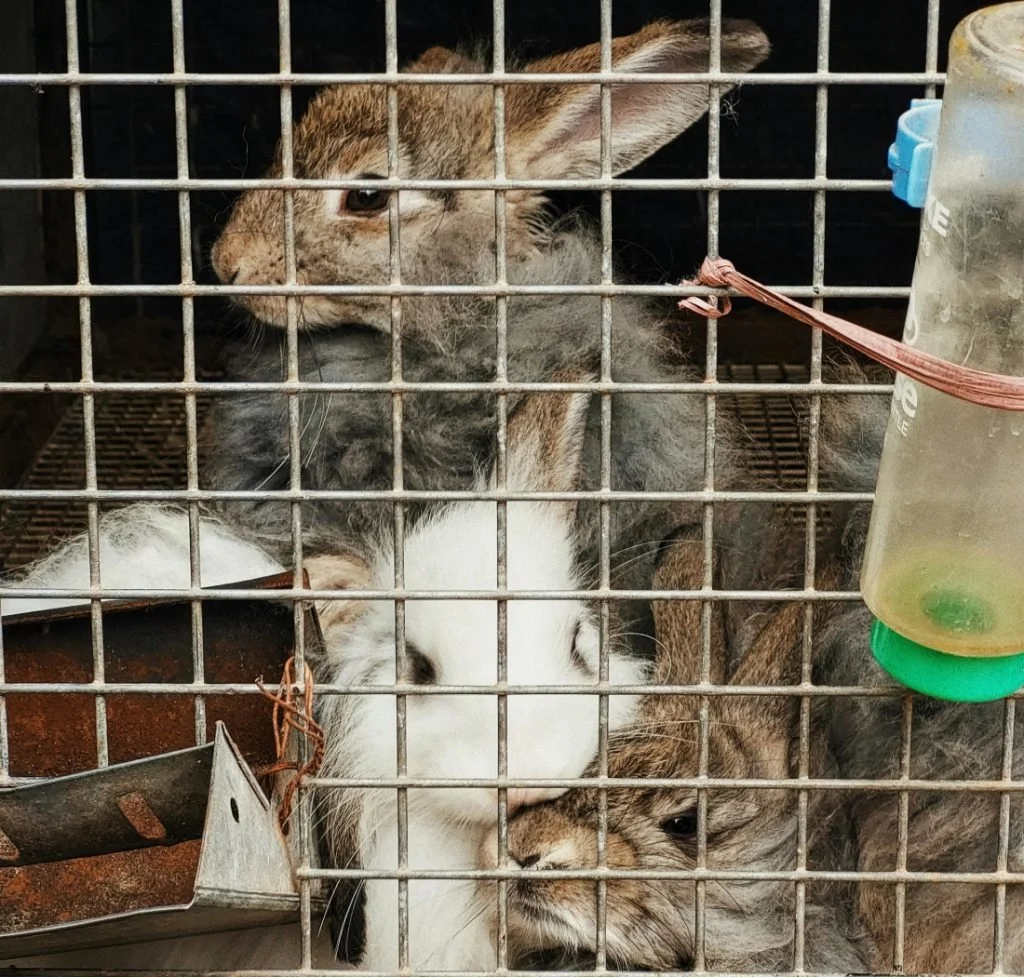
Imagen por Depositphotos
Eficacia, regulación y perspectiva ética
Diversos estudios han evidenciado que los resultados obtenidos en animales no siempre permiten predecir con precisión las respuestas en humanos, debido a diferencias en metabolismo, anatomía y fisiología. Esto ha generado cuestionamientos sobre su validez y sobre los posibles riesgos asociados a su uso como modelo de seguridad.
En paralelo, las regulaciones han avanzado de forma desigual a nivel global. Mientras la Unión Europea prohibió la comercialización de cosméticos testados en animales en 2013, en otros países aún existen exigencias que permiten o requieren estas prácticas. En Latinoamérica se han logrado avances relevantes, aunque el escenario sigue siendo heterogéneo y en desarrollo.
Desde una mirada bioética, el uso de animales en la industria cosmética resulta cada vez más cuestionado, especialmente considerando la disponibilidad de métodos alternativos. En este contexto, el principio de las 3R busca reducir y reemplazar estas prácticas, impulsando una transición hacia modelos más responsables.
La evidencia científica, los cambios regulatorios y la presión social han comenzado a transformar la industria. Informarse y optar por alternativas libres de crueldad se vuelve clave para fortalecer este proceso. Si quieres conocer qué marcas han avanzado en esta línea, puedes revisar el listado actualizado disponible en el sitio de Te Protejo.