Legislación de la Unión Europea sobre pruebas en animales para cosmética: La realidad detrás de la ley
El gran conflicto: La Ley de Cosméticos vs. El Reglamento REACH
En teoría, el Reglamento (CE) No 1223/2009 prohíbe las pruebas en animales para productos cosméticos como cremas, maquillajes o perfumes y sus ingredientes. El problema surge cuando esta ley choca directamente con otra normativa europea más dura, el REACH (Registro, Evaluación, Autorización y Restricción de sustancias químicas).
El REACH regula los riesgos que las sustancias químicas pueden ocasionar en el medio ambiente y en la salud de los trabajadores de las fábricas. Escudándose en esto, la Agencia Europea de Sustancias y Mezclas Químicas (ECHA) ha utilizado el reglamento para exigir nuevas pruebas en animales a ingredientes que se usan exclusivamente en cosmética.
El punto de quiebre definitivo fue el mediático caso Symrise. Cuando la ECHA le ordenó a este fabricante alemán realizar pruebas en animales para ingredientes de protectores solares, la empresa apeló ante los tribunales europeos. Lamentablemente, la justicia falló a favor de la ECHA, sentando un peligroso precedente legal que sigue vigente hoy, el reglamento REACH está por encima de la Ley de Cosméticos.
Promesas estancadas y burocracia
La Iniciativa Ciudadana Europea "Save Cruelty Free Cosmetics" logró reunir más de 1.2 millones de firmas exigiendo el fin de estas prácticas químicas. Frente a esta inmensa presión, en 2023 la Comisión Europea prometió diseñar una hoja de ruta para eliminar gradualmente la experimentación en animales. Además, se esperaba una revisión completa de la ley REACH para 2024.
Las reformas han chocado con un muro de burocracia y fuertes presiones políticas de la industria química. La revisión del REACH fue retrasada y la "hoja de ruta" sigue avanzando, lentamente, por medio de comités y fases de consultas técnicas. En resumen, los políticos siguen estudiando cómo hacer el cambio, pero el vacío legal sigue abierto y los animales siguen siendo utilizados en laboratorios europeos.
El mito del "No probado en animales" por ley
En la práctica, múltiples marcas fabricadas en la Unión Europea se escudan ante su legislación local afirmando que sus productos son libres de crueldad y decidiendo no someterse a un proceso oficial de certificación, lo cual desencadena dos problemas graves: por un lado, el riesgo químico, ya que sin una certificación independiente la marca no tiene cómo garantizar que sus proveedores de ingredientes no hayan sido obligados a realizar pruebas en animales por mandato de la ECHA y el reglamento REACH; y por otro lado, el mercado global, puesto que el hecho de que una compañía afirme no experimentar con animales dentro de Europa, no le impide vender esos mismos productos en otros países donde las regulaciones extranjeras aún exigen este tipo de pruebas para su comercialización.
La certificación es nuestra única garantía
Los productos cosméticos son controlados en varias etapas: autorización sanitaria, fiscalización del cumplimiento de la norma y vigilancia post autorización del registro.
Cada regulación establece su procedimiento para otorgarla autorización sanitaria y supervisar su cumplimiento. Además, las prohibiciones de pruebas en animales con fines cosméticos consideran etapas de adaptación del mercado, y la actualización de procesos para ajustar la norma existente a esta nueva incorporación, mediante las disposiciones correspondientes para el ajuste legal.
Las leyes establecen que las empresas deben asegurar su cumplimiento, y en caso de infracción, pueden recibir sanciones. Las prohibiciones de testeo animal requieren también actualizaciones legales y adaptaciones del mercado.
El valor de la certificación: respaldo ético y técnico
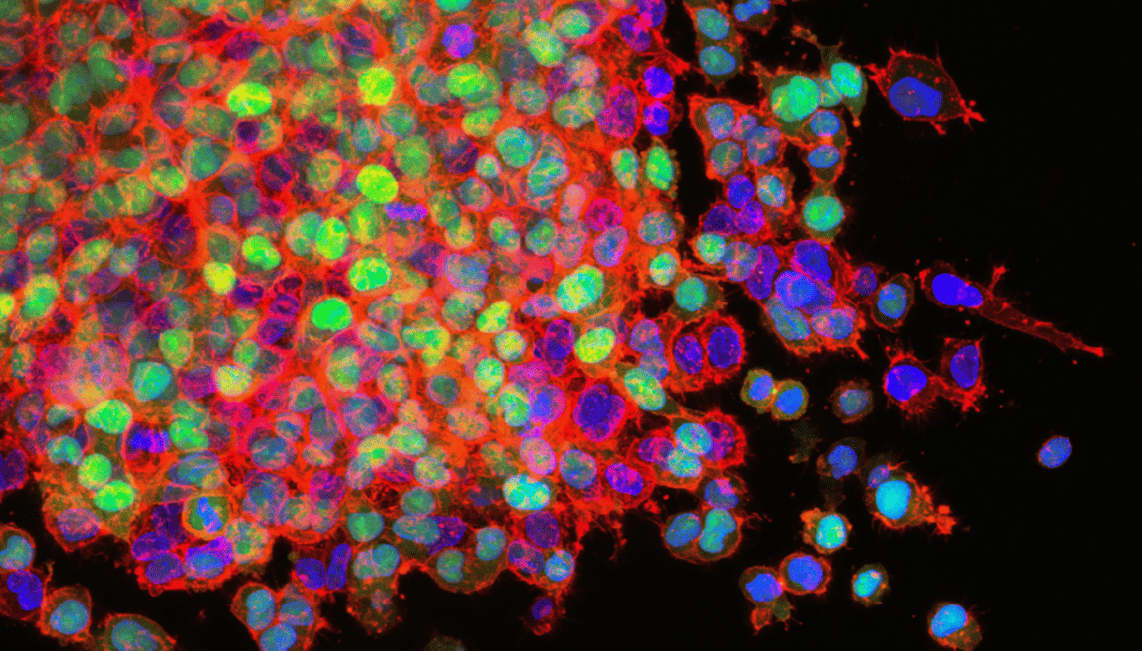
La ley europea fue un gran motor para impulsar a la comunidad científica a desarrollar métodos alternativos (in-vitro, cultivos celulares, simulaciones informáticas), pero sus excepciones legales nos demuestran que la promesa del 2013 se rompió.Como siempre recordamos en Te Protejo, el sello de una organización oficial es la única forma de asegurarnos de que un producto, y toda su cadena de producción, esté libre de crueldad. Tu decisión de compra consciente impulsa el cambio hacia una ciencia moderna, ética y sin sufrimiento.
Si quieres profundizar en cómo la tecnología actual está reemplazando la experimentación en animales y educarte sobre estas increíbles innovaciones, te invitamos a conocer los métodos alternativos In Vitro e In Silico y descubrir el futuro de la cosmética ética. Optar por marcas libres de experimentación animal es una de las acciones más directas y eficaces para exigir un mercado ético. Para facilitar este proceso y garantizar que las decisiones de compra se basen en información verificada, Te Protejo pone a disposición del público sus directorios actualizados de marcas certificadas.