
La Unión Europea restringe la venta de microplásticos añadidos en productos de consumo
El maquillaje es, para muchas personas, parte de un ritual cotidiano. Ya sea para una celebración, una reunión, una actividad o simplemente como una forma de expresión personal, maquillarse puede convertirse en un momento de conexión y creatividad. Sus colores, texturas y acabados no solo cumplen una función estética, sino que también permiten expresar identidad, emociones e incluso valores.
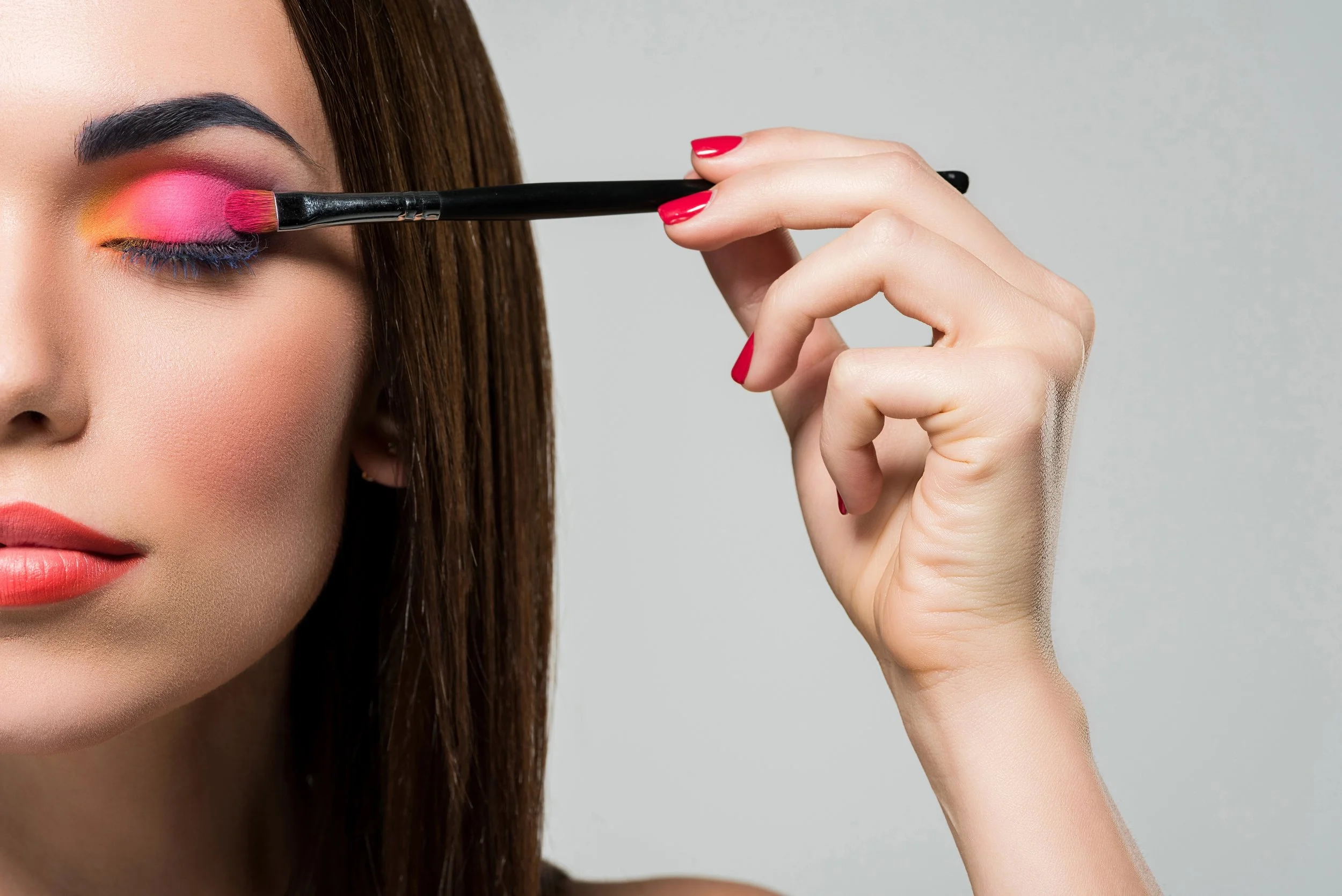
Imagen por Depositphotos
Sin embargo, la industria cosmética enfrenta nuevos desafíos regulatorios. En octubre de 2023, la Comisión Europea adoptó una normativa que restringe la venta de microplásticos añadidos intencionalmente en diversos productos dentro de la Unión Europea, incluidos ciertos cosméticos, detergentes, fertilizantes y otros artículos de consumo.
La medida, incorporada al reglamento REACH, establece restricciones progresivas con distintos periodos de transición según el tipo de producto. Su objetivo es reducir la liberación de micropartículas de polímeros sintéticos al medioambiente y fomentar el desarrollo de alternativas más sostenibles, como parte de la estrategia europea para disminuir la contaminación y avanzar hacia metas climáticas y ambientales a largo plazo.
Probablemente, como persona consumidora, no habías considerado el impacto ambiental que puede tener el glitter presente en algunos productos de maquillaje. La brillantina cosmética puede elaborarse a partir de distintos materiales, como celulosa regenerada, mica, vidrio o polímeros sintéticos. Estos últimos corresponden a microplásticos añadidos intencionalmente, valorados por la industria por su bajo costo, versatilidad y facilidad para incorporar color y efectos reflectantes.
Este tipo de partículas puede encontrarse en iluminadores, sombras con acabado brillante, esmaltes de uñas y otros productos que buscan generar destellos o efecto luminoso. Tras su uso, al retirarlos con agua o desmaquillantes, estas micropartículas pueden ingresar a los sistemas de alcantarillado. Debido a su tamaño reducido y persistencia, no siempre son capturadas completamente en los procesos de tratamiento de aguas residuales, lo que facilita su llegada a ríos, lagos y océanos.
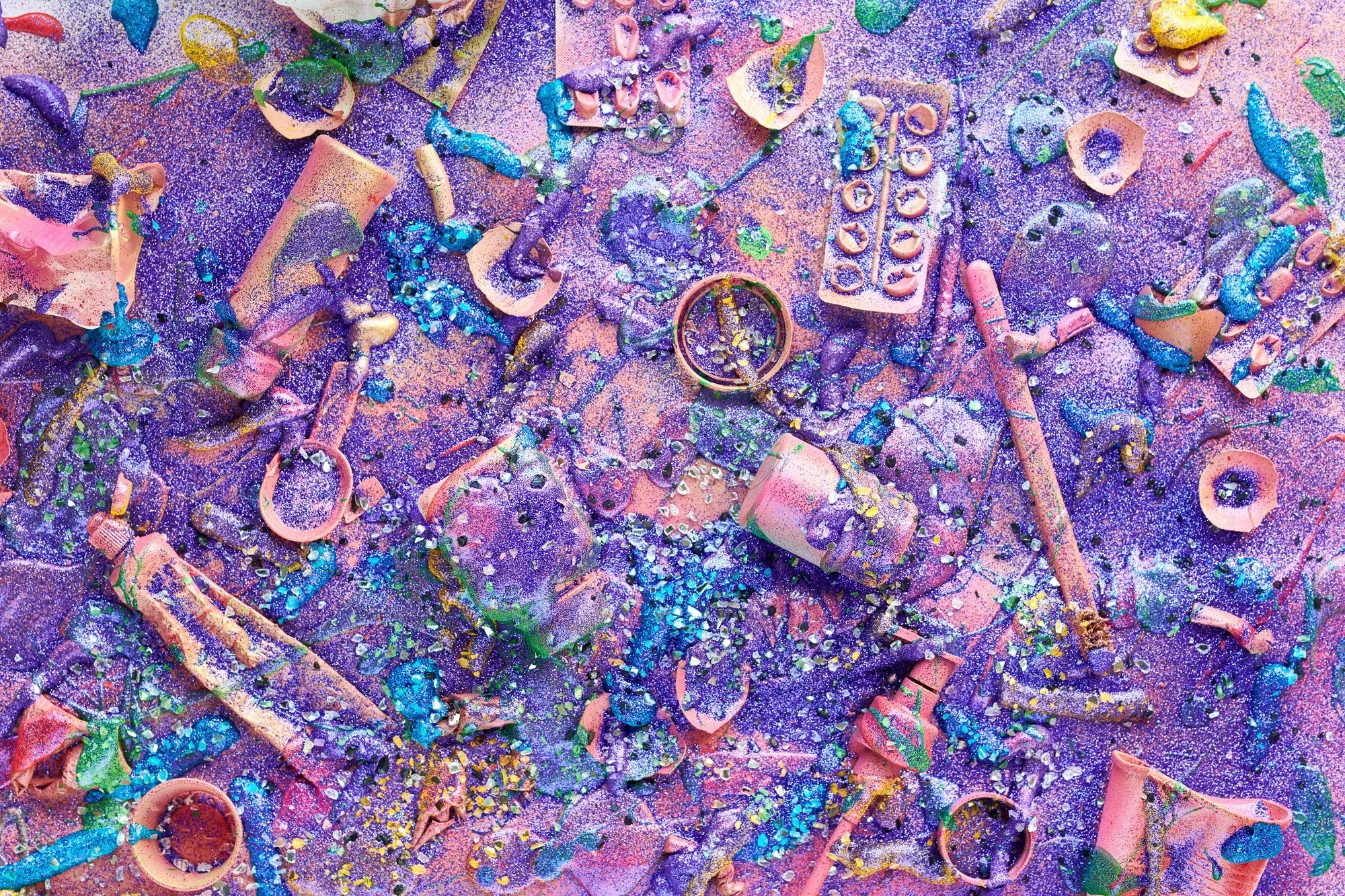
Imagen por Depositphotos
Además, una parte puede quedar retenida en lodos residuales generados por las plantas de tratamiento. En algunos casos, estos lodos se reutilizan como fertilizantes en suelos agrícolas, lo que abre otra vía potencial de dispersión ambiental.
Debido a su impacto ambiental, la Unión Europea adoptó una restricción sobre los microplásticos añadidos intencionalmente en productos comercializados dentro de su territorio. La medida no prohíbe todos los brillos cosméticos, sino específicamente aquellos elaborados con polímeros sintéticos que cumplen la definición de microplástico. Por ello, siguen permitiéndose alternativas formuladas con materiales inorgánicos como vidrio o ciertos minerales, así como opciones biodegradables o solubles en agua que se ajusten a la normativa vigente.
Para evitar la generación innecesaria de residuos, la regulación contempla períodos de transición. Los productos fabricados antes de la entrada en vigor de la norma pueden continuar vendiéndose hasta agotar stock, y en algunos casos deberán incluir un etiquetado que informe sobre la presencia de microplásticos. Dependiendo de la categoría del producto, los plazos de adaptación pueden extenderse hasta el 16 de octubre de 2035.
Imagen por Depositphotos
¿Cuáles son las opciones de brillos biodegradables?
En 2021, un equipo de investigadores de la Universidad de Cambridge, en Reino Unido, desarrolló una alternativa sostenible a la brillantina convencional. Se trata de un material elaborado a partir de nanocristales de celulosa, obtenidos de las paredes celulares de plantas, frutas y verduras. Esta propuesta destaca por ser biodegradable y de origen vegetal.
A diferencia del glitter plástico tradicional, que utiliza pigmentos y polímeros sintéticos, esta alternativa genera color mediante un fenómeno conocido como color estructural. Es decir, no depende de tintes artificiales, sino de la manera en que la estructura microscópica del material interactúa con la luz, produciendo tonos intensos y brillantes, similares a los que se observan en alas de mariposas o plumas de pavo real.
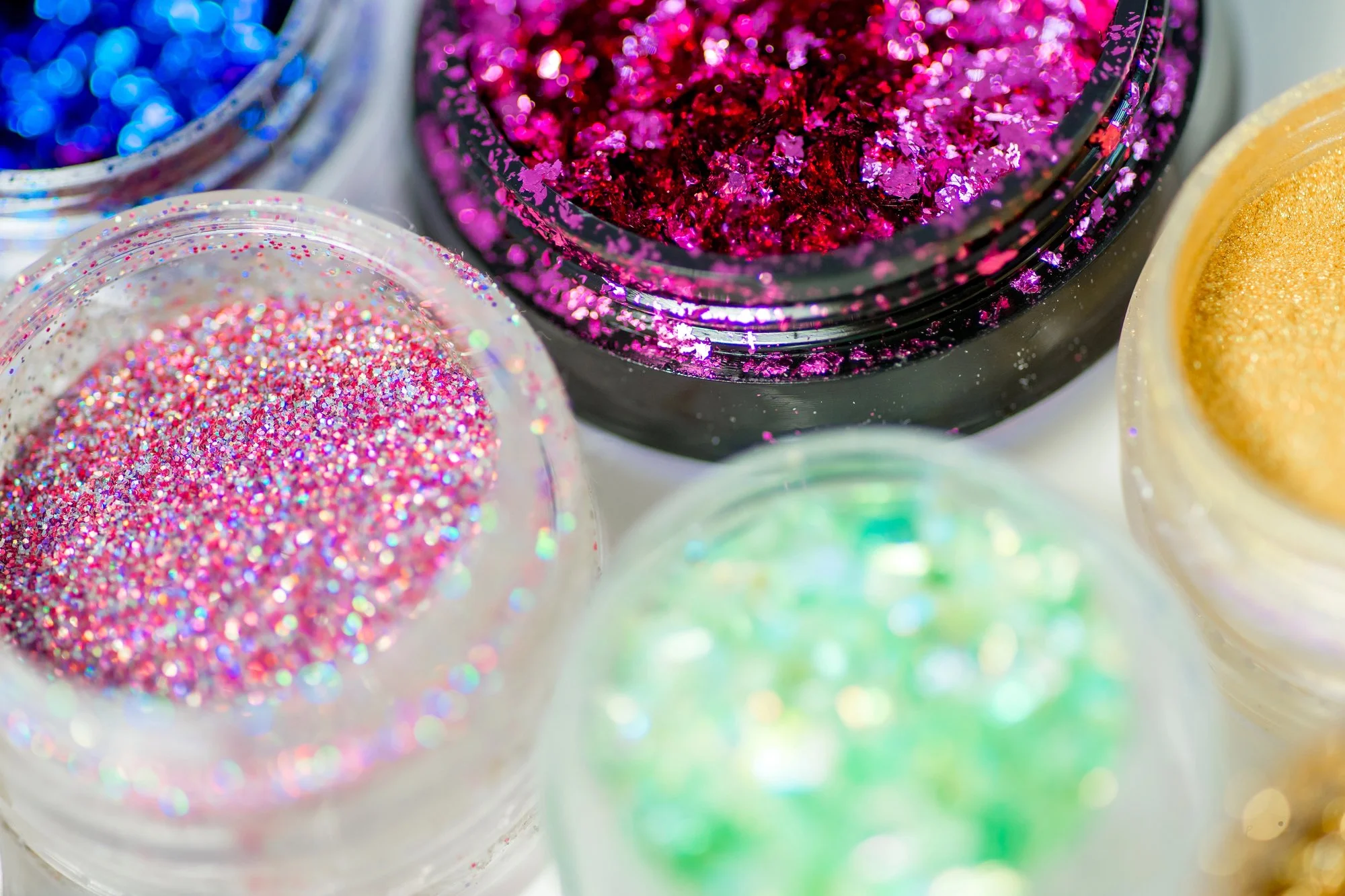
Imagen por Depositphotos
El proceso de fabricación utiliza técnicas de autoensamblaje que permiten formar películas de celulosa, las cuales posteriormente se trituran hasta obtener partículas del tamaño adecuado para funcionar como brillantina o pigmento de efecto. Según sus desarrolladores, este método puede adaptarse a escala industrial y requeriría menos energía que los procesos convencionales basados en plásticos.
Además de esta innovación, existen otras alternativas en desarrollo, incluyendo brillos elaborados con minerales, vidrio u otros materiales biodegradables. El avance de estas tecnologías refleja una creciente preocupación por reducir el impacto ambiental de la industria cosmética y avanzar hacia soluciones más responsables con el entorno
Para quienes buscan alternativas más responsables en maquillaje, es posible explorar opciones cruelty free con ingredientes de origen natural, como la marca Zao Makeup, disponible en los Listados de Te Protejo. Conoce más sobre esta y otras marcas certificadas en el sitio web.