La belleza consciente ya no es una tendencia: hoy es una exigencia del mercado
La conversación en la industria de la belleza está cambiando: ya no se trata únicamente de lo que contienen los productos, sino también de cómo se producen, cómo se comunican y cómo se respaldan sus compromisos éticos.
Durante años, el concepto de “clean beauty” fue presentado como una tendencia dentro de la industria cosmética, donde gran parte del discurso se centró en fórmulas “naturales” o en la ausencia de ciertos ingredientes. Sin embargo, este enfoque hoy resulta insuficiente. Las personas consumidoras han elevado sus expectativas y exigen información clara, prácticas responsables y compromisos éticos verificables.
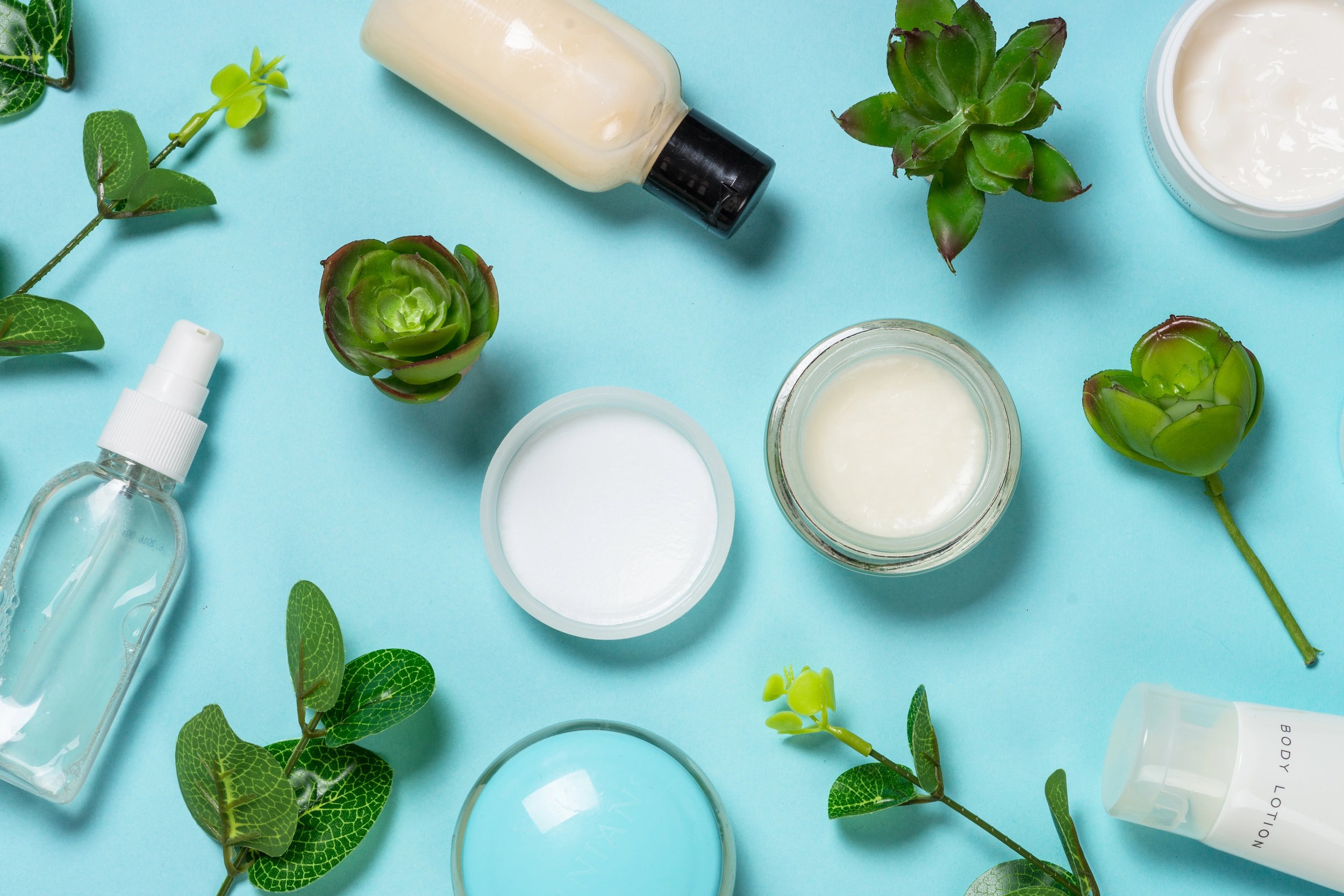
Imagen por Depositphotos
Consumidores más informados, decisiones más exigentes
Según un análisis de McKinsey & Company junto con NielsenIQ, los productos con declaraciones ambientales o sociales, incluyendo bienestar animal y sostenibilidad, crecieron de manera sostenida por sobre aquellos que no las incorporaban entre 2017 y 2022, lo que indica que las personas consumidoras respaldan sus preferencias éticas a través de sus decisiones de compra (McKinsey & Company y NielsenIQ, 2023).
Asimismo, el informe Global State of Health & Wellness 2025 de NielsenIQ señala que más del 80 % de las personas consumidoras a nivel global exige etiquetas claras y transparentes, y cerca del 70 % considera relevante que los productos sean éticos o ecológicos. Por su parte, el Consumer Sustainability Report de Deloitte indica que existe disposición a pagar más por productos sostenibles que generen confianza y valor a largo plazo.
Este cambio responde a una mayor conciencia sobre el impacto de los productos de uso cotidiano, especialmente en categorías como cosmética, higiene personal y cuidado del hogar, tanto en la salud como en el entorno y otros seres vivos. En este contexto, ya no es suficiente el uso de términos como “natural” o “clean” sin respaldo verificable

Imagen por Depositphotos
Certificaciones: de atributo opcional a factor decisivo
Hoy, las personas consumidoras valoran especialmente la transparencia en la información, la trazabilidad en los procesos, las pruebas de seguridad verificables, el compromiso ético real y la existencia de certificaciones confiables e independientes.
En este escenario, los sellos de certificación cumplen un rol clave. Más que un elemento visual en el envase, funcionan como herramientas de orientación y confianza, permitiendo tomar decisiones de compra más informadas y conscientes.
En particular, la certificación cruelty free se posiciona como un factor decisivo. En un mercado saturado de mensajes, contar con un respaldo independiente que garantice que un producto no han sido probados en animales se convierte en un elemento diferenciador, relevante y confiable.
Para la industria cosmética, este escenario representa una oportunidad estratégica. Las marcas que apuestan por la transparencia, la coherencia y estándares verificables no solo fortalecen su reputación, sino que también construyen relaciones de confianza a largo plazo con sus comunidades, aumentando su competitividad en un mercado cada vez más exigente.
Hoy, la conversación en la industria de la belleza ya no gira únicamente en torno a lo “natural”, sino a la forma en que las marcas producen, comunican y respaldan sus compromisos. Este se ha convertido en un nuevo estándar que las personas consumidoras están demandando.
Para saber más sobre la certificación ingresa a www.sellocrueltyfree.org.