
¿Es necesario aplicar protección solar a diario?
La exposición al sol tiene beneficios conocidos, entre ellos la síntesis de vitamina D, un proceso fundamental para la salud ósea. Sin embargo, una exposición prolongada o inadecuada a la radiación ultravioleta (UV) puede provocar daños acumulativos en la piel que no deben subestimarse.
El cáncer de piel se encuentra entre los tipos de cáncer más frecuentes a nivel mundial. Un estudio publicado en International Journal of Cancer en 2025 estimó que en 2022 más del 80 % de los casos de melanoma cutáneo a nivel global fueron atribuibles a la exposición a radiación ultravioleta (UV), el principal factor de riesgo asociado al sol.
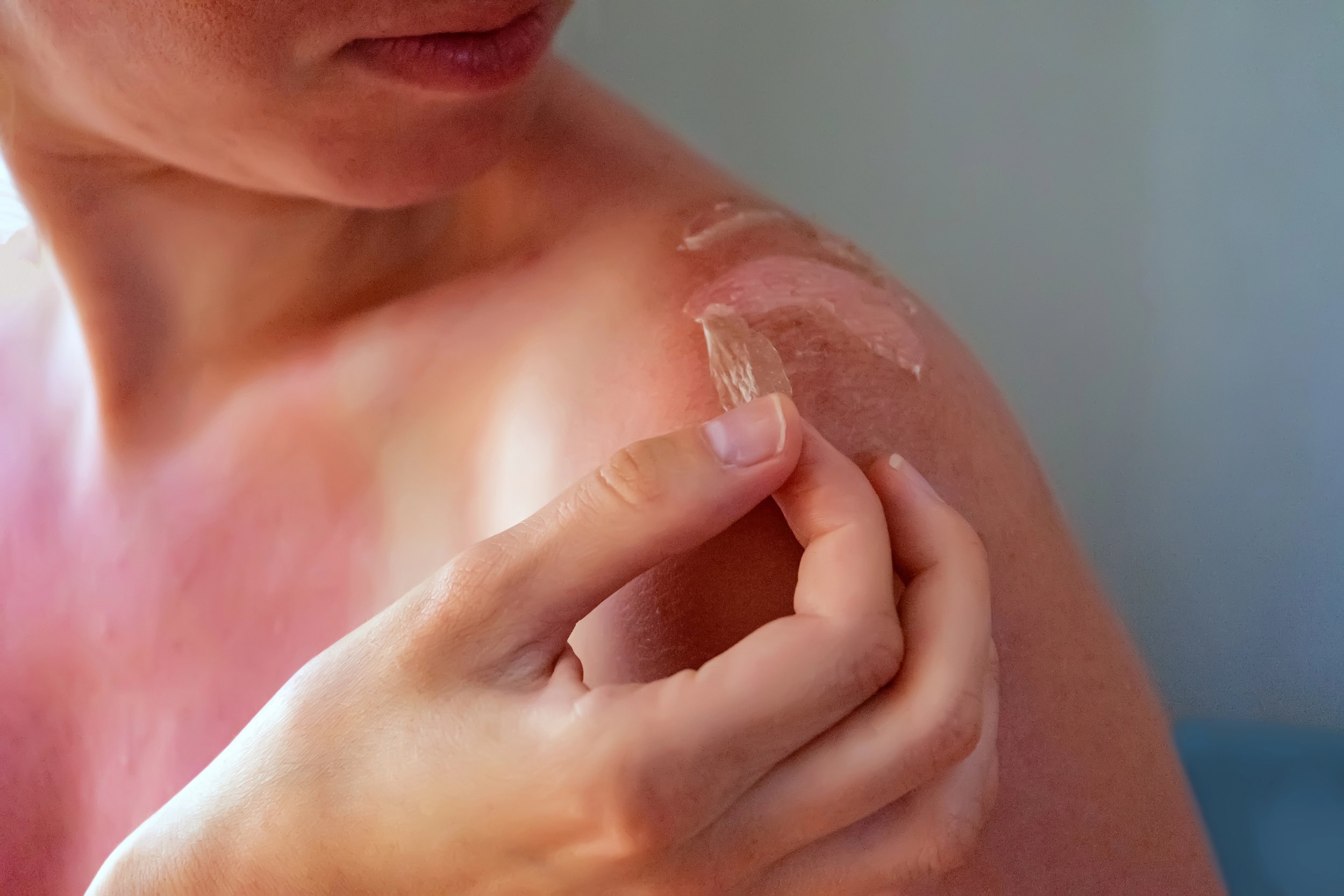
Imagen por Depositphotos
Para reducir el riesgo de cáncer de piel, es significativo considerar que uno de sus principales factores de riesgo es prevenible y está asociado a la exposición excesiva a la radiación ultravioleta. Adoptar medidas de fotoprotección, cómo evitar la exposición solar en horarios de mayor intensidad, utilizar ropa que cubra la piel y aplicar protector solar de amplio espectro, forma parte de las estrategias recomendadas por organismos de salud.
La radiación UV puede afectar la piel incluso cuando no existe una exposición directa, como al permanecer bajo una sombrilla o en interiores con luz natural. Si bien el vidrio bloquea gran parte de los rayos UVB, permite el paso de una proporción significativa de los rayos UVA, que también contribuyen al envejecimiento cutáneo y al daño acumulativo. En días nublados, una cantidad importante de radiación ultravioleta continúa atravesando la atmósfera.
Dado estos factores, especialistas en dermatología recomiendan incorporar el uso de protector solar como parte de la rutina diaria de cuidado de la piel. Asimismo, advierten que no basta con aplicarlo una sola vez al día, ya que su efectividad disminuye con el paso de las horas debido a la absorción, la transpiración y el roce. Tanto en interiores con exposición a luz natural como al aire libre, se aconseja reaplicar el producto cada dos a cuatro horas, especialmente si existe exposición directa al sol.

Imagen por Depositphotos
¿Cómo escoger una protección solar adecuada?
Antes de elegir un protector solar, es importante entender qué significa el FPS. El factor de protección solar mide la protección frente a la radiación UVB, responsable de las quemaduras solares. Especialistas recomiendan usar un producto con FPS 30 o superior, ya que puede bloquear alrededor del 96 % de los rayos UVB si se aplica correctamente.
El uso regular de protector solar ayuda a prevenir el fotoenvejecimiento y reduce el riesgo de cáncer de piel, además de ser clave en personas con afecciones sensibles al sol. Al escoger uno, se recomienda optar por protección de amplio espectro y elegir fórmulas adecuadas para el rostro y el cuerpo según el tipo de piel y las actividades diarias.
Opciones Cruelty Free
Actualmente, existen diversas marcas que ofrecen protección solar con certificación libre de pruebas en animales, lo que facilita incorporar este tipo de productos en la rutina diaria. ¡Entre las marcas con presencia en distintos países, incluidas zonas de América Latina, se encuentran Sun Bum, Hawaiian Tropic, Australian Gold, Garnier y Supergoop!
Para complementar esta información, se puede revisar la nota sobre cuatro productos para el cuidado de la piel durante todo el año y ¡Es invierno! e igual debemos utilizar protector solar donde se presentan distintas alternativas que permiten mantener una rutina constante y adaptada a diferentes necesidades.
De todas formas, revisa nuestros Listados Cruelty Free, bajo filtro “solares” para más información.