Conoce más sobre la legislación cruelty free en Colombia
Colombia fue el primer país de Sudamérica en legislar para prohibir el testeo en animales con fines cosméticos, marcando un hito relevante en la región.
Este avance se concretó el 10 de agosto de 2020 con la promulgación de la Ley 2047, que estableció la prohibición de las pruebas en animales para cosmética. Con esta medida, el país se sumó a una tendencia internacional que ya incluía a diversos territorios, como la Unión Europea, Noruega, India, Taiwán, Corea del Sur y Guatemala, entre otros.
La aprobación de esta ley fue el resultado de un trabajo de varios años liderado por el representante Juan Carlos Losada, junto a la organización Animal Defenders International, quienes impulsaron la iniciativa hasta su aprobación en el Congreso.
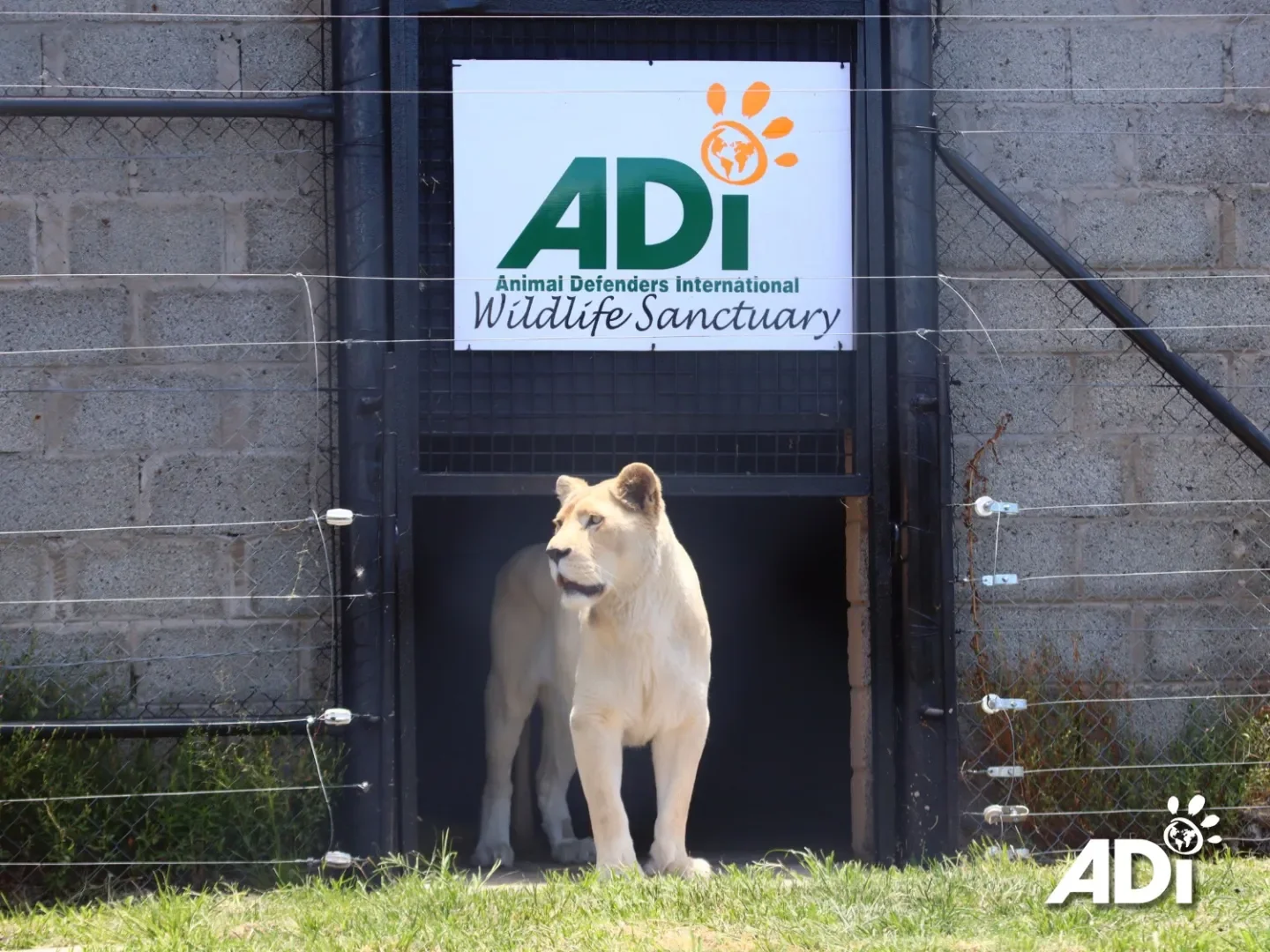
Imagen por ADI Wildlife Sanctuary
El representante Juan Carlos Losada, autor de la iniciativa, señaló en conversación con El Espectador: “Este avance representa un paso importante para la sociedad colombiana. Tras la Ley de Maltrato Animal, la prohibición del testeo en cosméticos contribuye a consolidar un marco legal orientado a la protección de los animales. El uso de animales en laboratorios ha sido históricamente un tema con baja visibilidad, a pesar del impacto que genera a nivel global”.
Por su parte, el senador Richard Aguilar, también impulsor del proyecto, indicó al mismo medio: “Esta decisión se enmarca en un momento en que resulta necesario avanzar hacia formas de investigación más éticas, dejando atrás prácticas que implican el sufrimiento de animales y alineándose con estándares internacionales en innovación científica”.
Si bien la ley fue sancionada en agosto de 2020, su entrada en vigor se estableció para 2024, otorgando un periodo de transición para que las empresas adaptarán sus procesos y para que el Estado promoviera el desarrollo de métodos alternativos. Según consignó El Espectador, este plazo buscaba facilitar la implementación de nuevas formas de evaluación sin uso de animales.
¿Sigue siendo necesaria la certificación cruelty free en este contexto?
Imagen por Te Protejo
Al igual que en otros países que han legislado en esta materia, como los pertenecientes a la Unión Europea, estas normativas contemplan ciertas excepciones. En el caso de Colombia, se permite el uso de animales en pruebas cosméticas en situaciones específicas, como cuando un ingrediente debe ser evaluado por riesgos para la salud o el medio ambiente y no existen alternativas validadas, o cuando los datos provienen de estudios realizados con fines distintos al cosmético.
En este escenario, las certificaciones cruelty free continúan cumpliendo un rol relevante, ya que permiten identificar productos que no han sido testeados en animales en ninguna etapa de su desarrollo, más allá de las excepciones legales. Estas certificaciones son otorgadas por organizaciones reconocidas a nivel internacional, como Te Protejo, Cruelty Free International y Leaping Bunny Program entre otras.
Para conocer las marcas que cuentan con estas certificaciones, revisa el listado de marcas cruelty free certificadas.