
VITROFEM de LIALT: Test de Irritación Vaginal Alternativo
Los productos de higiene íntima han sido tradicionalmente evaluados mediante métodos que presentan limitaciones tanto éticas como científicas. En este contexto, surge VITROFEM, un modelo in vitro de tejido vaginal humano desarrollado por LIALT, que permite evaluar la seguridad y eficacia de estos productos sin recurrir al uso de animales.
¿Qué son los productos de aseo íntimo?
Los productos de aseo íntimo son artículos destinados al cuidado e higiene de la zona genital. Incluyen geles limpiadores, toallitas húmedas, espumas, lociones, cremas, lubricantes, protectores diarios, tampones, entre otros. Están formulados para mantener el pH, prevenir infecciones y aportar sensación de frescura, aunque no todos son necesarios ni recomendados según especialistas en ginecología.
Dado que se trata de productos diseñados para una zona sensible, su desarrollo requiere altos estándares de seguridad. Sin embargo, antes de llegar al mercado, muchos han sido evaluados mediante ensayos in vivo, es decir, en animales.
Entre estas pruebas se encuentra el test de irritación vaginal, que consiste en la aplicación repetida de sustancias en el interior de la vagina de animales, como conejas, para observar posibles efectos como inflamación, irritación o infección. Posteriormente, los animales son sacrificados para realizar análisis histológicos.
Estas prácticas han sido objeto de críticas tanto éticas como científicas, debido a las diferencias fisiológicas entre la anatomía vaginal de conejas y la de las personas. Además, muchos de los productos evaluados no corresponden a usos propios de estos animales, como lubricantes, espermicidas o toallas sanitarias, lo que limita la validez de los resultados. A esto se suman diferencias en los ciclos reproductivos entre especies, tanto en duración como en sus respuestas biológicas.
Por otra parte, existe un vacío histórico en la investigación sobre salud vaginal y uterina, lo que ha contribuido al uso de modelos poco representativos y, en algunos casos, basados en información desactualizada. Estas limitaciones pueden traducirse en evaluaciones que no reflejan de manera adecuada los efectos en las personas, lo que refuerza la necesidad de avanzar hacia métodos más precisos.
En este contexto, han surgido modelos in vitro que replican el tejido vaginal humano, ofreciendo alternativas más éticas y con mayor relevancia científica para evaluar la seguridad de los productos de higiene íntima. Entre estos avances destaca el trabajo del Laboratorio de Investigación Alternativa (LIALT), que desarrolló VITROFEM como una propuesta innovadora en este ámbito.

Imagen por Depositphotos
¿Qué es VITROFEM y qué propone?
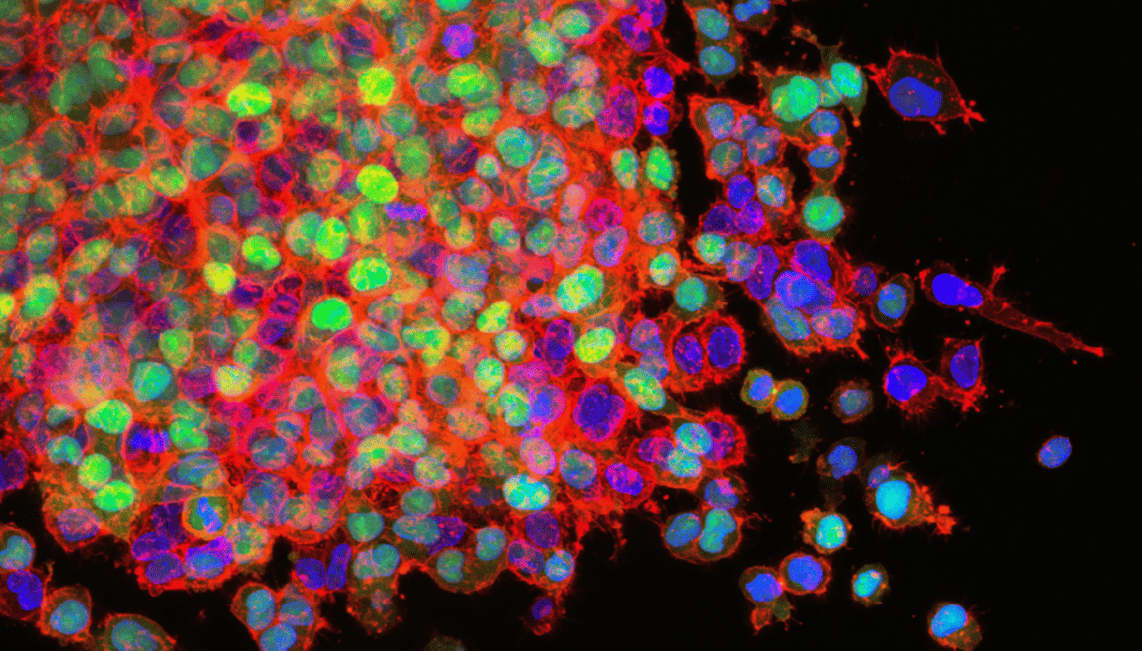
VITROFEM es un modelo in vitro que recrea el tejido vaginal humano en tres dimensiones sin utilizar animales. Este sistema permite evaluar la irritación, toxicidad y seguridad de productos de higiene íntima de forma ética y con mayor relevancia científica, reduciendo los riesgos asociados a extrapolar resultados obtenidos en otras especies.
El modelo utiliza células del epitelio vaginal y fibroblastos humanos para reconstruir un tejido tridimensional que imita de manera más fiel el entorno biológico real. A través de estas técnicas, se posiciona como una alternativa segura, reproducible y alineada con el desarrollo de métodos libres de pruebas en animales para el test de irritación vaginal.
¿Cómo funciona VITROFEM?
El modelo utiliza células epiteliales humanas primarias, obtenidas a partir de muestras aprobadas éticamente. Estas células cumplen un rol clave como barrera protectora, recubriendo órganos y cavidades, y permiten estudiar procesos como la inflamación, la regeneración tisular y los mecanismos de defensa. En condiciones de cultivo, tienen la capacidad de estratificarse y formar un epitelio multilaminar, lo que facilita replicar con mayor fidelidad el microambiente vaginal.
Para aumentar la complejidad y representatividad del modelo, se incorporan fibroblastos humanos, células esenciales en la síntesis de colágeno y otros componentes de la matriz extracelular. Su presencia permite recrear un estroma funcional que entrega señales bioquímicas y mecánicas, influyendo directamente en la diferenciación y el equilibrio del epitelio.
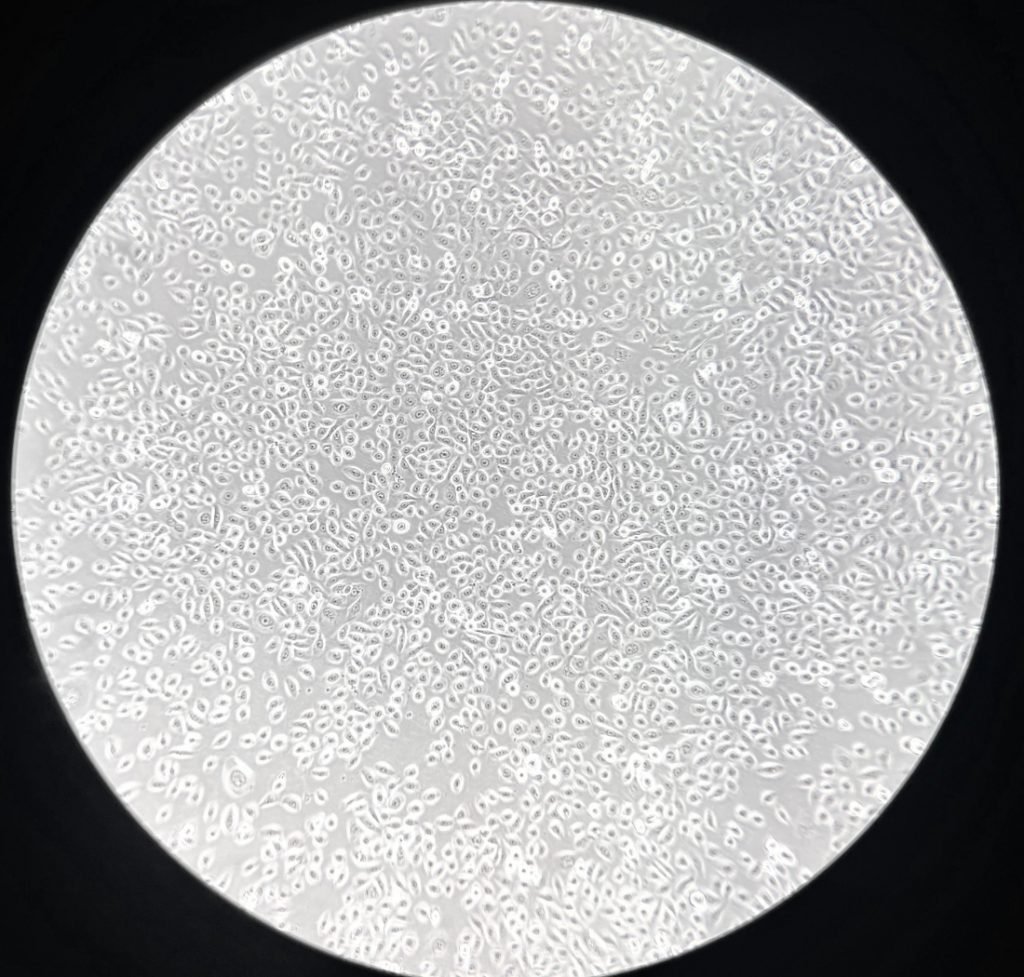
Imagen por Depositphotos
Para comprobar que el modelo reproduce de forma adecuada el epitelio vaginal humano, se realiza un ensayo inmunocitoquímico mediante marcadores específicos de diferenciación epitelial. En este proceso se utilizan citoqueratinas como CK14 y CK18, proteínas que permiten identificar distintos tipos de células epiteliales. La CK14 está presente en las células basales de la capa más profunda del epitelio vaginal, responsables de la regeneración del tejido.
En contraste, la CK18 se asocia a epitelios simples, como los del intestino o el hígado, y no debería expresarse en el epitelio vaginal. En VITROFEM, las células presentan expresión de CK14 y no de CK18, lo que indica una correcta diferenciación y una adecuada representación del tejido vaginal humano.
Este análisis respalda la validez del modelo como herramienta experimental, permitiendo evaluar de forma no invasiva productos ginecológicos, probióticos, fármacos de uso local y estudios microbiológicos, en línea con el principio de las 3R.
Al analizar la viabilidad celular y posibles respuestas como inflamación o daño tisular, VITROFEM permite reemplazar ensayos en animales, promoviendo métodos más éticos y con mayor relevancia científica. De esta manera, se posiciona como una alternativa efectiva para evaluar la seguridad y eficacia de productos de higiene íntima sin recurrir al uso de animales.
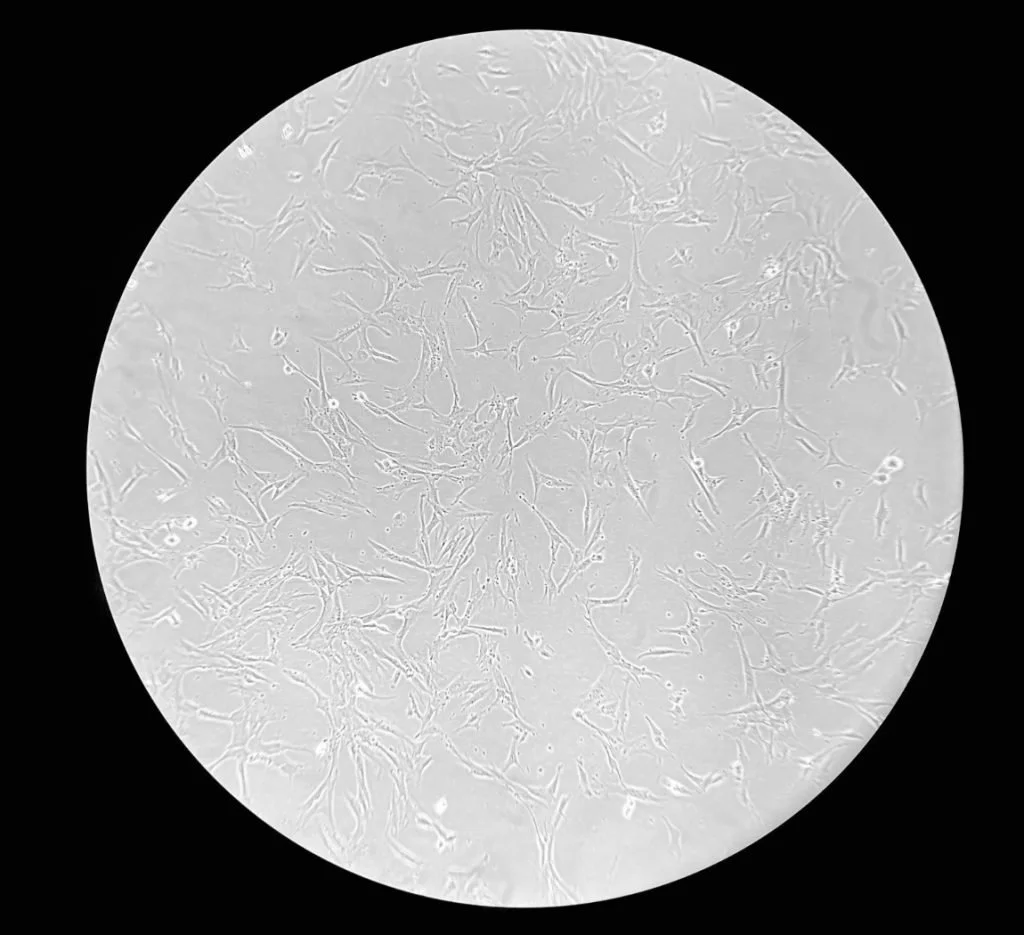
Imagen por Depositphotos
El desarrollo de modelos como VITROFEM refleja cómo la innovación científica puede avanzar junto a criterios éticos en la evaluación de productos de uso cotidiano. Elegir productos de marcas comprometidas con estos estándares también permite contribuir a una industria más responsable.