Ley Queenie: El proyecto que busca salvar a perros y gatos de los laboratorios en Michigan
En el estado de Michigan, Estados Unidos, la lucha ciudadana por los derechos de los animales ha tomado gran fuerza gracias a una iniciativa legislativa histórica: la Ley Queenie (HB 4849). Este proyecto de ley busca prohibir que los organismos e instituciones públicas utilicen perros y gatos en experimentos científicos que les causen dolor o angustia, sentando un precedente clave para el trato ético en la investigación biomédica.
La historia detrás de su nombre
El proyecto rinde homenaje a Queenie, una perrita que fue sometida a crueles y repetitivos experimentos en la Universidad Estatal de Wayne (Wayne State University), lo que finalmente le costó la vida. Su caso encendió las alarmas públicas y visibilizó una dolorosa realidad que millones de animales enfrentan a diario a puertas cerradas.
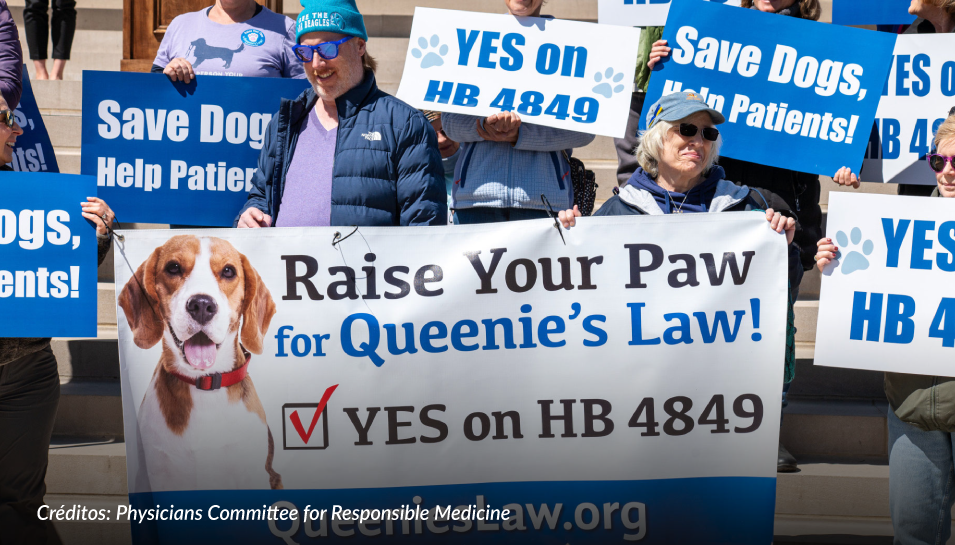
Imagen por Depositphotos
La cruel realidad en los laboratorios
Lamentablemente, el caso de Queenie no es un hecho aislado. Desde 1991, organizaciones como el Comité de Médicos por una Medicina Responsable han denunciado las graves prácticas realizadas en esta universidad, respaldando sus acusaciones con más de 10.000 páginas de registros públicos.
¿A qué son sometidos los animales en estas instalaciones?
Se obliga a perros completamente sanos a consumir dietas altísimas en grasas para inducirles "síndromes metabólicos", poniéndolos en riesgo inminente de sufrir accidentes cerebrovasculares.
Se realizan cirugías invasivas donde se abren las cavidades torácicas de los canes para implantarles dispositivos médicos directamente en sus arterias principales.
Se instalan cables debajo de la piel de los animales que salen a través de incisiones en sus lomos.
Los perros son forzados a correr en cintas de ejercicio mientras los dispositivos implantados hacen latir sus corazones al doble o triple de su ritmo normal, usándolos hasta que sus cuerpos simplemente colapsan.
La crudeza de estos procedimientos provoca que muchos animales mueren por hemorragias internas poco después de las cirugías, o que sean encontrados sin vida dentro de sus propias jaulas.
¿Por qué es necesaria una nueva ley?
Aunque en Estados Unidos existe la Ley Federal de Bienestar Animal (AWA), los expertos legales y defensores de los derechos animales advierten una grave falla. Esta norma federal no prohíbe explícitamente la realización de experimentos dolorosos.
Frente a la falta de regulación de las agencias federales, la Ley Queenie (HB 4849) surge como una barrera de protección estatal indispensable. De aprobarse, la normativa exigirá:
Prohibición total: Impedir el uso de perros y gatos en investigaciones, pruebas o entrenamientos médicos que causen muerte, lesiones, miedo o trauma.
Fin a la invasión física: Prohibir explícitamente cirugías experimentales, cortes, implantación de dispositivos o administración de drogas de prueba en estos animales.
Sanciones económicas: Las entidades públicas que incumplan enfrentarán multas desde los $1,000 hasta los $5,000 dólares por cada animal afectado y por cada día que continúe la infracción.
Un paso necesario hacia la ciencia ética
Como señala Matt Koleszar, representante y patrocinador principal del proyecto: "Las instituciones públicas de Michigan, que realizan investigaciones en nuestro nombre, deberían cumplir con estándares más altos. Este proyecto de ley es una forma humana y científicamente sólida de elevar esos estándares".
Apoyar legislaciones como la Ley Queenie representa mucho más que salvar a los animales de un estado en particular; es impulsar un movimiento global para elaborar procedimientos éticos. Hoy en día, el desarrollo de métodos de investigación alternativos y sin el uso de animales no solo es posible, sino que resulta más preciso para la salud humana.Construir un futuro científico consciente y respetuoso con todas las formas de vida es urgente. Progresar sin crueldad es posible.
Sumate a las iniciativas que buscan proteger a los animales y exigir el reconocimiento legal de sus derechos y sintiencia en nuestra región firmando en http://www.tambiensienten.org. Tú haces posible el cambio.